
How Long Should You Wait Between Whitening Treatments?
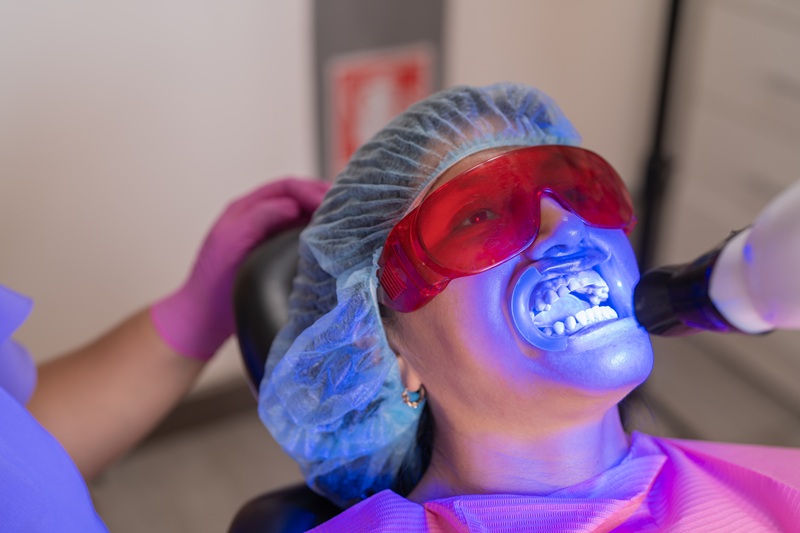
You’ve had your teeth whitened and you love the result. Naturally, the next thought is: how do I keep it this way? And maybe not long after that: how soon can I do it again?
It’s one of the most common questions we hear at our dental clinic, which are quite sensible. Because while teeth whitening is safe and effective when done correctly, doing it too often or without the right guidance can work against you. Sensitivity, uneven results, and enamel damage are all real possibilities when whitening becomes a habit rather than a treatment.
So let’s clear things up: how often can you actually whiten your teeth, and what’s the safe way to approach it?
How Teeth Whitening Works
Before getting into timing, it helps to understand what whitening actually does to your teeth. Most professional whitening treatments use hydrogen peroxide or carbamide peroxide as the active whitening agent. These compounds penetrate the enamel and break down the molecules responsible for discolouration, effectively lightening the tooth from within.
Professional teeth whitening uses carefully controlled concentrations of these agents to achieve effective results while minimising the risk of sensitivity or damage. This is quite different from over-the-counter whitening strips or toothpastes, which typically use much lower concentrations and produce more modest results.
How Long Should You Wait Between Whitening Treatments?
For professional teeth whitening, the general recommendation is to wait at least six to twelve months between full treatment courses. This gives your enamel adequate time to remineralise, your teeth a chance to rehydrate, and any post-treatment sensitivity to fully resolve.
That said, the right interval for you personally will depend on a few factors:
- The type of whitening used. In-chair professional whitening uses higher concentrations and produces more dramatic results, meaning the recharge period is longer. Take-home professional trays use lower concentrations over a longer period and may allow for top-up treatments sooner.
- Your baseline sensitivity. If you already have sensitive teeth after whitening, your dentist may recommend a longer break before retreating.
- How well you’ve maintained your results. Patients who avoid heavy-staining foods and drinks between treatments tend to need less frequent whitening overall.
- Your individual tooth chemistry. Some people’s teeth are naturally more porous and absorb staining more readily, which affects how quickly results fade.
The bottom line: your dentist is best placed to advise on the right timing for your situation. A personalised recommendation will always serve you better than following a generic schedule.
What Happens If You Whiten Too Often?
Over-whitening, which may include treating too frequently or for too long, is a real concern, and one worth understanding before you reach for the trays again.
Increased tooth sensitivity
Whitening agents temporarily open up the microscopic pores in your enamel. Overuse means those pores don’t get adequate time to close and remineralise, which leads to persistent and sometimes severe sensitivity to hot, cold, and sweet foods.
Enamel erosion
Repeated or excessive whitening can gradually wear down enamel, which is the protective outer layer of your teeth. Once enamel is lost, it does not regenerate anymore. Thinning enamel exposes the underlying dentine layer, which is naturally yellower and more sensitive, which is the opposite of what you’re trying to achieve.
Unnatural, chalky appearance
Over-whitened teeth can take on a blue-white or chalky appearance that looks artificial rather than bright and healthy. It’s sometimes called “fridge white” and it’s not a look anyone’s going for.
Inconsistent results on restorations
Whitening agents don’t work on crowns, veneers, or fillings. If you’ve had any of these done, excessive whitening of your natural teeth can make the colour difference between your natural teeth and your restorations increasingly obvious. This is worth keeping in mind.
As we touched on in Veneers vs Composite Bonding: Which Is Right for You?, colour matching is an important part of cosmetic treatment planning for a unified tooth colour.
How to Make Your Whitening Results Last Longer
The best way to reduce how often you need to whiten is to protect your results in between treatments. Here’s what makes the biggest difference:
- Avoid the main culprits for staining — coffee, tea, red wine, dark-coloured sauces, and cigarettes are the top offenders. You don’t have to give them up entirely, but being mindful goes a long way
- Rinse your mouth with water after staining foods and drinks when brushing isn’t immediately possible
- Use a whitening toothpaste between professional treatments to manage surface staining, just not as a substitute for professional whitening
- Attend regular professional cleans — removing plaque and surface staining through routine scale-and-cleans helps maintain brightness between whitening treatments
- Use your take-home trays for occasional top-ups as directed by your dentist, rather than full treatment courses
Professional vs Over-the-Counter Whitening: Does the Interval Change?
Yes, and it’s worth knowing the difference. Over-the-counter whitening products (strips, pens, whitening toothpastes) use much lower concentrations of active ingredients. While they are unlikely to cause the same level of enamel damage as overusing professional-strength treatments, they’re also less effective, and using them excessively can still contribute to sensitivity and wear over time.
Professional whitening through your dentist remains the safest and most effective option because the concentration, timing, and fit of trays are all controlled and personalised.
If you’re considering combining whitening with other cosmetic improvements, our blog on Are Silver Fillings Still Available and Safe? is a helpful read on how different dental materials respond differently to cosmetic treatments.
Do Your Teeth Whitening the Right Way
Teeth whitening works best when it’s approached thoughtfully, and not treated as something to repeat as often as possible. The good news is that with the right habits and a sensible schedule, you can maintain a genuinely bright, healthy-looking smile without putting your teeth through unnecessary stress.
If you’re looking to whiten your teeth in or around Bretwoord, WA, Blue Gum Dental will help you find the whitening approach that suits your teeth, your timeline, and your goals. We can also guide you on when it’s the right time for a top-up.
Book a consultation for better guidance and assistance.
Frequently Asked Questions
Can I whiten my teeth if I have sensitive teeth?
Yes, in many cases, but with extra care. Your dentist may recommend a lower-concentration whitening agent, shorter treatment sessions, or a desensitising gel used alongside your whitening trays.
It’s important to let your dentist know about your sensitivity before starting any whitening treatment so the approach can be tailored to you.
How long after whitening should I wait before eating or drinking?
For the first 24 to 48 hours after a whitening treatment, it’s best to avoid anything that could stain the teeth, like coffee, tea, red wine, dark sauces, and deeply pigmented foods. Your enamel pores are temporarily more open after whitening, making teeth more susceptible to staining during this window.
Will whitening work on crowns, veneers, or fillings?
No, whitening agents only work on natural tooth enamel. Crowns, veneers, porcelain restorations, and composite fillings will not respond to whitening treatment. If you have visible restorations in your smile zone, it’s important to discuss this with your dentist before whitening, as your natural teeth may end up a different shade from your restorations.
Is in-chair whitening better than take-home trays?
Both are effective, but they work differently. In-chair whitening delivers faster, more dramatic results in a single session. Take-home trays use a lower concentration over a longer period and allow you to whiten at your own pace.
Many patients use both: in-chair for an initial result, then take-home trays for maintenance. Your dentist can help you decide which approach suits your goals.