
Dental Bone Graft: What It Is, Why You Might Need One, and What It Costs in Australia
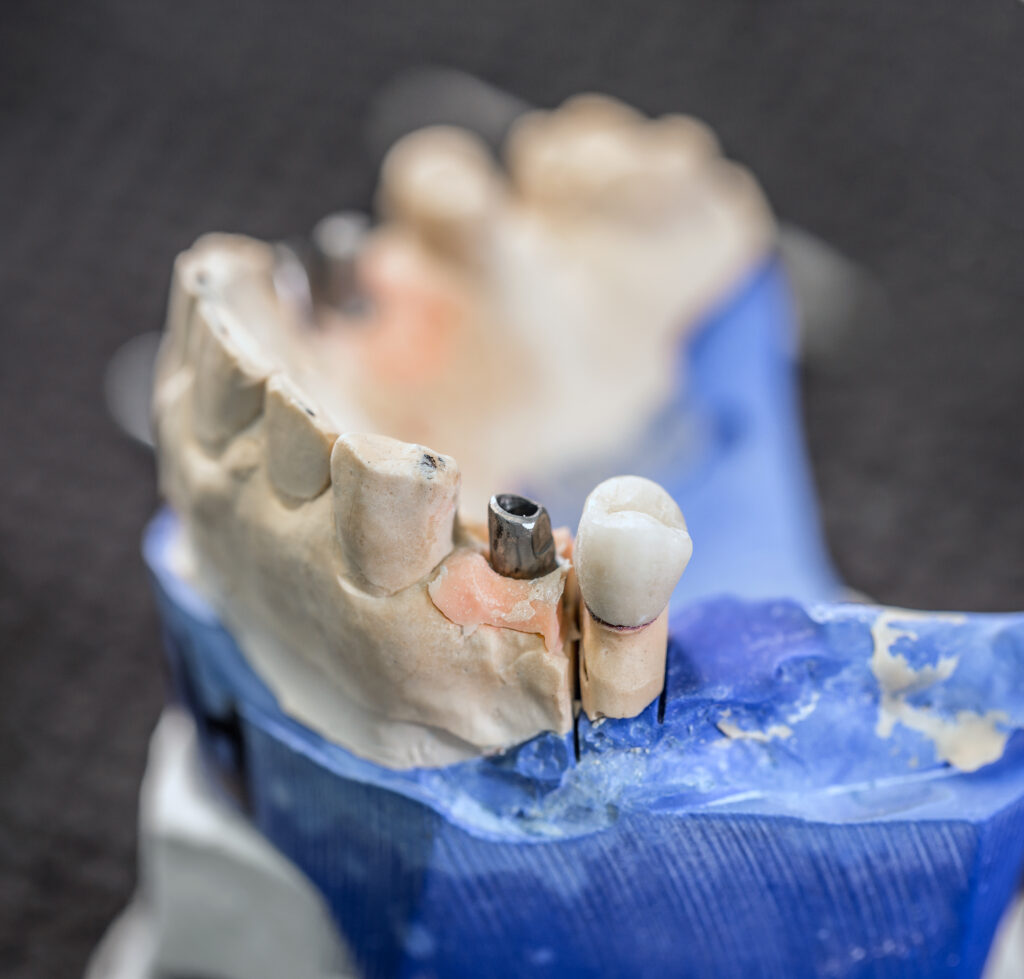
If your dentist has mentioned needing a bone graft before a dental implant, it’s natural to have questions. What does it actually involve, how much does it add to your treatment, and is it going to be painful? For something that sounds fairly major, it’s a routine and well-established part of modern implant dentistry.
This article covers what a dental bone graft is, when you might need one, what recovery typically looks like, and what affects the cost here in Australia.
What Is a Dental Bone Graft?
A dental bone graft rebuilds bone volume in the jaw, most commonly to create a stable foundation for a dental implant. Once an implant is placed, the surrounding bone gradually grows around it over about three months, which is what helps hold it securely in place. However, this process depends on having enough healthy bone there to begin with.
When there isn’t, a bone graft fills that gap first, giving the implant something solid to integrate with later.
Do You Need a Bone Graft for a Dental Implant?
Not everyone does. It depends on how much bone is available at the implant site. A few common reasons bone volume can be reduced include:
- Long-term tooth loss – bone naturally resorbs over time once a tooth is no longer there to stimulate it
- Gum disease – periodontal disease can gradually erode the bone supporting your teeth
- Past trauma or injury – can affect bone structure in the jaw
- Previous extractions without preservation – bone tends to shrink after extraction unless it’s specifically preserved
Your dentist can assess this with imaging and let you know whether a graft is one of the dental implant prerequisites in your particular case. That’s why a dental implant consultation should be done first.
Types of Dental Bone Grafts
There are a few different graft material options, and each comes with its own trade-offs between biological performance and convenience:
- Autograft – bone taken from your own body, generally considered the most biologically effective option
- Allograft – processed donor bone, offering a good balance of compatibility and convenience
- Xenograft – bone sourced from an animal donor, valued for slow, steady resorption
- Synthetic (alloplastic) – man-made materials, often used in more straightforward cases
Your dentist will recommend the option best suited to your specific situation.
Socket Preservation and Sinus Lifts
If you have been researching what dental bone grafts entail, you may have encountered these two related procedures that often come up in bone grafting discussions:
- Socket preservation – grafting material placed directly into the socket right after a tooth extraction, aiming to maintain bone volume and support future implant placement
- Sinus lift – used for upper back teeth, where the sinus sits close to the jaw, this procedure adds bone beneath the sinus floor to create enough depth for an implant
Both are common, well-established procedures rather than anything unusual or high-risk.
How Painful Is a Dental Bone Graft?
This is one of the most common concerns, and the reassuring answer is that it’s generally well-managed. The procedure itself is performed under local anaesthetic, so you shouldn’t feel pain during it. The overall goal of these procedures is to regenerate bone with minimal postoperative discomfort, and most people manage recovery with standard pain relief as recommended by their dentist.
What to Expect After Surgery: Swelling and Recovery
Some post op dental bone graft swelling is a normal part of healing, alongside mild soreness. A few things that typically help:
- Applying an ice pack to the outside of your cheek in the first 24–48 hours
- Sticking to soft foods while the area settles
- Taking pain relief as recommended by your dentist
- Avoiding strenuous exercise for a few days
Swelling and soreness usually improve noticeably within the first week.
What Does Healing Look Like?
Rather than relying on healing pictures, it helps to understand the general timeline instead, since every graft looks a little different depending on the technique used and the person’s own healing pace:
- First 1–2 weeks – The gum tissue over the graft site heals at the surface
- Following months – The graft material gradually integrates with your existing bone
- Several months to about a year – Full bone maturation occurs, at which point your dentist can confirm the site is ready for implant placement
The bone graft for implant recovery time varies depending on the size of the graft and individual healing factors. Your dentist will guide you on the timeline of your recovery specific to your case.
What Affects the Cost of a Dental Bone Graft in Australia?
Dental bone graft cost in Australia also varies considerably from person to person, since several factors influence the overall price:
- Type of graft material used – autografts, allografts, xenografts, and synthetic options differ in cost
- Size and complexity of the graft – a minor graft costs less than an extensive one addressing significant bone loss
- Whether a sinus lift is required – this adds a separate, more involved procedure
- Whether it’s done alongside implant placement – combined procedures are priced differently to standalone grafts
- Private health insurance extras cover – some policies may contribute, depending on your level of cover
Because pricing depends so heavily on individual circumstances, the best way to get an accurate figure is a consultation and personalised quote. In Brentwood, WA, our team at Blue Gum Dental will help you understand your case and cost better during our consultation.
If you’re also exploring what financial support exists more broadly, our post on government grants for dental implants in Australia is worth a read.
Building a Solid Foundation for Your Smile
A dental bone graft might sound like a big step, but it’s a well-established, routine part of preparing for a successful implant. Understanding what’s involved and what affects both healing and cost makes the whole process feel a lot less daunting.
If you’re considering a dental implant and want to know whether a bone graft applies to your situation, our team at Blue Gum Dental is happy to talk you through it.
Talk to our team of dentists by booking an appointment.
Frequently Asked Questions
Do I definitely need a bone graft for a dental implant?
Not necessarily. It depends on how much bone is available at the implant site. Your dentist can assess this with imaging and let you know if a graft is recommended for your case.
How long does it take to recover from a dental bone graft?
Initial gum healing typically takes one to two weeks, while full bone integration can take several months up to about a year, depending on the size of the graft.
Is a dental bone graft very painful?
The procedure is done under local anaesthetic, so you shouldn’t feel pain during it. Afterwards, most people manage any soreness with standard pain relief recommended by their dentist.
What affects the cost of a dental bone graft in Australia?
Cost varies based on the type of graft material, the size and complexity of the procedure, whether a sinus lift is needed, and your private health insurance cover. A personalised quote from your dentist is the most accurate way to know your cost.