
Government Grants for Dental Implants in Australia
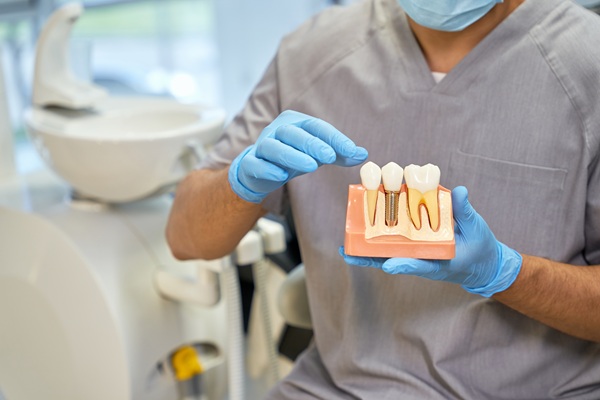
Dental implants are widely recognised as a long-term option for replacing missing teeth. They can improve chewing ability, support facial structure and help maintain long-term oral health. However, for many Australians, the cost of implant treatment can raise important questions about affordability and whether any financial support is available.
You may have come across terms such as government grants for dental implants Australia, dental implants government grants, or government dental grants when researching your options. Understanding what these programs do (and do not) cover can help you make informed decisions about your care.
To help, we’re covering what support may be available and how to explore your options with clarity and confidence when it comes to accessible dental care.
Are There Government Grants for Dental Implants in Australia?
At present, there are no direct government grants that specifically cover the cost of dental implants for the general Australian population.
However, this does not mean that all forms of assistance are unavailable. Certain government-funded programs and rebates may help reduce the overall cost of dental care in specific circumstances.
Understanding how these programs work (and their limitations) is essential before planning implant treatment.
Public Dental Services and Eligibility
Each Australian state and territory offers public dental services, which may be subsidised or provided at low cost for eligible patients. Eligibility is often based on factors such as:
- Holding a concession or health care card
- Income thresholds
- Medical or social need
Public dental clinics focus primarily on essential and emergency dental care. Advanced restorative treatments such as dental implants are rarely offered through public systems due to cost, demand and clinical complexity.
In some cases, public services may provide alternative tooth replacement options, such as dentures, when clinically appropriate.
The Child Dental Benefits Schedule (CDBS)
The Child Dental Benefits Schedule is a government-funded program that supports basic dental care for eligible children aged 2 to 17.
It covers services such as:
- Examinations
- X-rays
- Cleaning
- Fillings
- Extractions
However, dental implants are not included under the CDBS. While the program supports preventive and restorative care in children, implant treatment is generally not indicated for growing jaws and is therefore excluded.
Veterans’ Affairs and Dental Support
Eligible Department of Veterans’ Affairs (DVA) cardholders may receive dental care through approved providers. Depending on individual eligibility and clinical need, some restorative dental treatments may be subsidised.
Dental implants may be considered in very limited circumstances, typically where they are deemed essential to oral function and approved in advance. Not all veterans will qualify, and prior authorisation is required.
Why Dental Implants Are Not Commonly Covered
Dental implants involve multiple stages of treatment, advanced materials and careful planning. This contributes to higher costs compared to other dental procedures.
According to the research, implants are considered a long-term restorative solution rather than an essential emergency service, which is one reason they fall outside most public funding frameworks.
Despite this, implants remain an important option for many patients due to their stability, longevity and ability to preserve jawbone health.
Alternatives and Financial Options to Consider
While government dental grants for implants are limited, there are other pathways that may help make treatment more manageable.
Staged Treatment Planning
Dental implant treatment often occurs over several months. Spacing treatment stages can help distribute costs over time.
Health Funds
Some private health insurance policies offer limited rebates for components of implant treatment, such as crowns or surgical procedures. Coverage varies significantly between funds and levels of cover.
Payment Plans
Many dental clinics offer structured payment plans to help patients manage the cost of dental implants services without upfront financial pressure.
Preventive and Early Care
Maintaining good oral health and addressing dental problems early can sometimes reduce the need for complex treatments later.
Seeking Reliable Advice About Dental Implants
Given the complexity of funding arrangements and eligibility criteria, it’s important to seek professional advice rather than relying on online claims about dental implants government grants.
A dental consultation allows for:
- Assessment of your oral health and suitability for implants
- Discussion of alternative treatment options
- Transparent explanation of costs and timelines
- Guidance on potential rebates or support pathways
This ensures decisions are based on accurate information and individual needs.
Supporting Long-Term Oral Health
Dental implants are not suitable for everyone, and outcomes depend on factors such as bone health, gum condition and overall well-being.
Regardless of whether implants are pursued, maintaining preventive dental care remains essential for protecting your oral health over the long term.
Know Your Options Today
While government grants for dental implants Australia are limited, understanding the available support options can help you plan with greater clarity. With the right information and professional guidance, you can explore solutions that align with both your oral health needs and financial situation.
At Blue Gum Dental, we focus on clear communication, personalised care and evidence-based treatment planning. If you’re considering dental implants or would like to discuss alternative options, our friendly Brentwood team is here to help.
Schedule a consultation today to learn more about your options and receive tailored advice.
Frequently Asked Questions
1. Are there government grants for dental implants in Australia?
There are currently no direct government grants that specifically fund dental implants for the general public. Some government programs may support basic dental care in limited circumstances.
2. Does Medicare cover dental implants?
Medicare does not usually cover dental implants. In rare cases, it may contribute to dental treatment provided in a hospital setting for specific medical reasons.
3. Can public dental clinics provide dental implants?
Public dental clinics mainly focus on essential and emergency care. Dental implants are rarely offered due to cost and resource limitations.
4. Do government dental grants cover part of implant treatment?
Most government dental grants do not include implant treatment. Some components, such as assessments or extractions, may be subsidised depending on eligibility.
5. Are dental implants covered by private health insurance?
Some private health funds offer limited rebates for parts of implant treatment. Coverage varies, so it’s important to check your individual policy.
6. Are there alternatives if I can’t access government dental grants?
Alternatives may include dentures, bridges, staged treatment plans or payment options. Your dentist can help you explore suitable solutions.
7. Who may be eligible for subsidised dental care in Australia?
Eligibility often depends on concession card status, age, medical needs or veteran status. Criteria vary by state and program.
8. How can I find out what support I’m eligible for?
A dental consultation is the best way to receive accurate advice tailored to your circumstances, including discussion of costs, options and potential rebates.