
Elderly Oral Health: Dental Services Tailored for Seniors
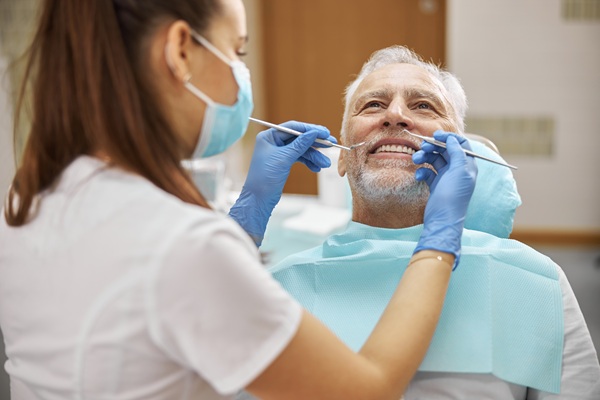
As we age, our oral health needs often change. Teeth and gums naturally experience wear over time, and medical conditions, medications and mobility challenges can all affect how the mouth functions and heals.
For this reason, elderly oral health requires thoughtful, personalised care that focuses on comfort, function and long-term wellbeing.
Maintaining good dental health for seniors is not just about preserving a smile. Oral health plays an important role in nutrition, speech, confidence and overall health.
This blog explores common oral health concerns in older adults, the importance of regular care, and how dental services for seniors are tailored to support healthy ageing.
Why Elderly Oral Health Matters
Good oral health supports quality of life at every stage of life, including later years. Difficulties with chewing, pain or ill-fitting dental appliances can affect food choices and nutritional intake. Infections in the mouth may also contribute to discomfort and broader health concerns.
In a research study, poor oral health in older adults was associated with increased risk of pain, infection and reduced ability to eat a balanced diet. This highlights why preventive and restorative dental health services remain essential throughout ageing.
Common Oral Health Concerns in Seniors
Older adults may experience a range of oral health changes, including:
Tooth Wear and Decay
Years of use can lead to worn enamel, cracks or weakened teeth. Gum recession may expose tooth roots, increasing sensitivity and the risk of decay.
Gum Disease
Gum disease is more common with age, particularly when brushing becomes difficult due to reduced dexterity. If untreated, it can lead to tooth loss and discomfort.
Dry Mouth
Many medications commonly prescribed to seniors can reduce saliva flow. Dry mouth increases the risk of decay, gum disease and oral infections.
Tooth Loss
Missing teeth can affect chewing, speech and facial support. Replacement options may be considered to improve comfort and function.
Dental Services for Seniors: What’s Different?
Dental services for seniors are designed with comfort, accessibility and individual health considerations in mind. Treatment planning often takes into account medical history, medications and personal preferences.
Key aspects of senior-focused care include:
Preventive Care
Regular examinations and professional cleaning help detect problems early. Preventive care can reduce the need for more complex treatment later.
Gentle Treatment Approaches
Extra care is taken to ensure comfort during appointments, with flexible scheduling and clear communication throughout treatment.
Restorative Solutions
Depending on individual needs, restorative options may include fillings, crowns, dentures or other tooth replacement solutions to restore function.
Management of Medical Conditions
Dentists consider conditions such as diabetes, arthritis or heart disease when planning care, ensuring treatment is safe and appropriate.
The Role of Regular Dental Visits
It’s a common misconception that dental visits are less important later in life. In reality, regular check-ups become even more valuable as oral health risks increase.
Routine visits allow dentists to:
- Monitor gum health and tooth stability
- Check for signs of oral infections or lesions
- Assess dentures or other appliances
- Provide guidance on at-home care
Supporting Dental Health at Home
Daily care remains the foundation of dental health for seniors. Simple, consistent habits can make a significant difference.
Helpful strategies include:
- Brushing twice daily with fluoride toothpaste
- Using floss, interdental brushes or water flossers as recommended
- Managing dry mouth with hydration and dentist-advised products
- Cleaning dentures daily and removing them overnight
- Seeking help if brushing becomes physically difficult
Family members or carers may also play a supportive role in maintaining oral hygiene when needed.
Access and Comfort Considerations
For some seniors, mobility, transport or anxiety may make dental visits challenging. Dental clinics that provide senior-focused care aim to create a calm, welcoming environment with practical accommodations.
Clear explanations, unhurried appointments and personalised planning help ensure older adults feel supported and respected during their care.
A Preventive Approach to Healthy Ageing
Healthy ageing includes caring for the mouth as well as the rest of the body. Addressing oral health concerns early can help maintain independence, comfort and confidence.
At Blue Gum Dental, we understand that oral health needs evolve over time. Our approach to elderly oral health focuses on prevention, comfort and clear communication. Whether it’s maintaining natural teeth, managing dentures or addressing specific concerns, our team provides dental health services tailored to each individual.
If you or a loved one would like guidance on dental services for seniors, our friendly Brentwood team is here to help.
Schedule a consultation today to discuss personalised care options for seniors.
Frequently Asked Questions
1. Why is dental health important for seniors?
Dental health supports eating, speaking and overall comfort. Maintaining good oral health can also help reduce the risk of pain, infection and nutritional difficulties.
2. How often should seniors see a dentist?
Most seniors benefit from regular dental check-ups, usually every six months. Your dentist may recommend a different schedule based on your individual needs.
3. What dental services are commonly needed by older adults?
Common services include preventive care, gum treatment, fillings, crowns, denture care and management of dry mouth or sensitivity.
4. Are dental services for seniors different from general dental care?
Yes. Dental services for seniors are often tailored to medical conditions, medications, comfort needs and functional goals.
5. Can seniors keep their natural teeth for life?
Many seniors retain their natural teeth with good oral hygiene and regular dental care. Preventive treatment plays a key role in long-term tooth retention.
6. Are dentures the only option if teeth are missing?
Dentures are one option, but suitability depends on individual circumstances. Your dentist can explain available options and what may be appropriate.
7. How can carers support elderly oral health?
Carers can help by encouraging daily oral hygiene, assisting with brushing if needed, and supporting regular dental visits.