You run your tongue over the back of your mouth and notice a small thread that wasn’t there before. It’s an odd feeling, and it often brings questions. Are wisdom teeth stitches meant to feel like that, and what if one comes loose?
This guide explains why dentists use stitches after wisdom tooth removal. It also covers how dissolving stitches differ from ones that are taken out. You’ll find aftercare tips, what’s normal while you heal, and when it’s time to call us.
Why Stitches Are Used After Wisdom Teeth Removal
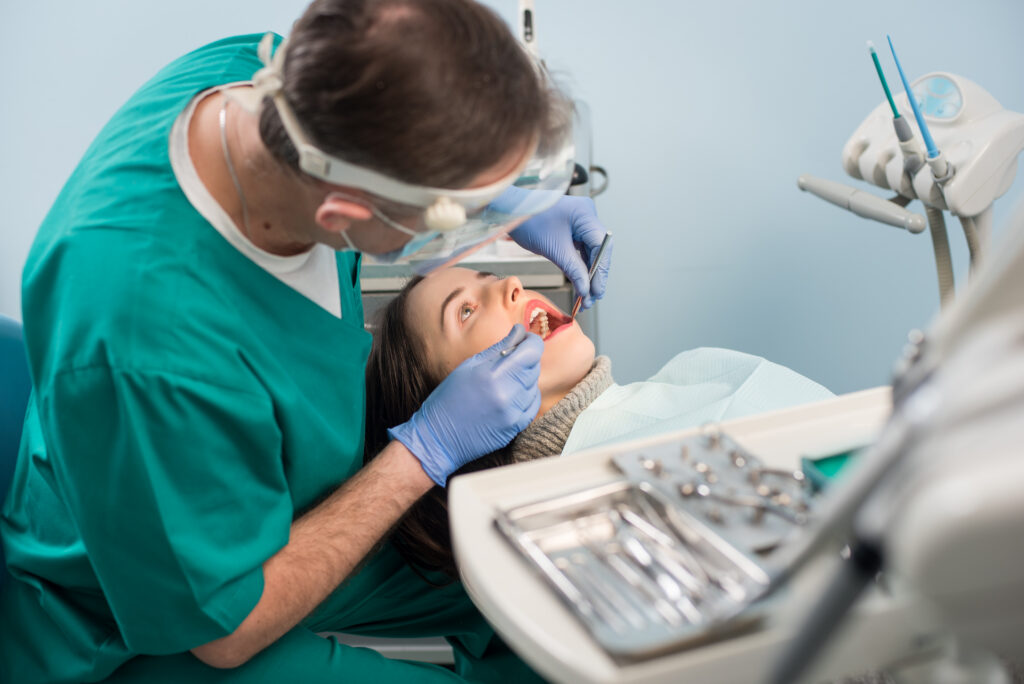
Taking out a wisdom tooth can involve a cut in the gum close to the tooth. Healthdirect explains that some bone around the tooth may also be removed. The tooth may be divided into smaller pieces too. Once it’s out, your dentist may close the gum with a stitch. This helps the area settle back into place while it heals.
Not every extraction needs stitches. Wisdom tooth stitches are more likely when a tooth sits trapped under the gum or grows at an angle. In those cases, the dentist may need a small incision to reach it.
Our team will explain which applies to you after your examination and x-rays.
Dissolvable Stitches for Wisdom Teeth, or Stitches Your Dentist Removes?
There are two kinds of wisdom teeth removal stitches, and the difference matters for what you do next. Dissolvable stitches break down on their own, so there’s nothing to take out. Others need your dentist to take them out at a review visit.
Your dentist will tell you which type you have. It’s worth asking before you leave because it shapes what to expect. If yours dissolve, your main task is to protect them gently. Otherwise, we’ll book you a visit to take them out.
If a stitch feels loose, try to resist tugging it or trimming it yourself. The gum is still healing underneath, so it’s kinder to leave it alone. Tell us instead, and we’ll check the area and let you know whether anything needs attention.
How Long Do Wisdom Teeth Stitches Last?
It depends on the type of stitch and how your mouth heals. That’s why you’ll see very different timelines online. We’d rather not give you one number that may not match your stitches. Your dentist can tell you what to expect for yours during your consultation.
What we can say is that stitches are a small part of a longer healing process. Healthdirect says the wound usually takes up to two weeks to heal.
So rather than counting days until a stitch disappears, it’s more useful to notice how you feel. Swelling and soreness usually ease gradually, and our team can look at anything that doesn’t.
What the First Week Can Look Like
Wisdom teeth recovery looks different for everyone, but a rough outline can help you know what’s ahead. Your dentist’s instructions come first.
- The first 24 hours: Rest, and skip smoking, vaping, straws, and spitting. Healthdirect also advises trying not to rinse in this time.
- The first few days: Mild swelling and jaw stiffness are common, and soft foods are a good idea.
- Around the end of the week: Healthdirect says most people can return to normal activities within a week. Your timeline can depend on how many teeth were removed and whether surgery was involved.
- Your review visit: We check how you’re healing and take out any stitches that need it.
If something doesn’t fit this picture, it’s okay to call us and ask.
What Happens at Your Follow-Up Visit
A review visit is often booked after wisdom teeth removal. Our team will check how the area is healing and remove stitches if yours need it. We’ll also talk through any bite or jaw concerns and give you advice tailored to your recovery.
If the thought of having stitches taken out makes you uneasy, please tell us. We can go at your pace and talk you through each step before we begin.
Wisdom Teeth Aftercare Tips to Protect Your Stitches
Good wisdom teeth aftercare is mostly about keeping the area calm while the gum heals. Here’s what we suggest:
- Leave the area alone for the first day or two, as Healthdirect advises. That includes poking it with your tongue or fingers.
- Don’t pull or cut a loose stitch, even if it looks ready to come away. Let us take a look instead.
- Avoid smoking, vaping, straws, and spitting in the first 24 hours, so the blood clot can settle.
- Rinse gently after the first day, using salt water or the mouthwash your dentist recommends.
- Choose soft, cool foods such as yoghurt, mashed vegetables, or soup once it has cooled. Chew on the other side of your mouth.
- Rest with your head slightly lifted, and try not to lie flat.
- Keep your follow-up appointment, even if everything feels fine.
Small habits add up here. If you’d like to know how and when to brush near the stitches, ask us at your appointment.
Questions to Ask Before You Leave
A few minutes at the end of your appointment can save a lot of guessing later. It’s worth asking:
- Which type of stitches do I have?
- Do I need a review visit, and when?
- How should I rinse and brush near the area?
- Which pain relief suits me?
- Who should I call if something doesn’t feel right?
No question is too small, and you’re welcome to ask us to repeat anything.
What’s Normal and What to Watch For
Some discomfort is expected. Swelling of the mouth and face is common, and there may be a little bleeding at the site. Many people find discomfort eases over about a week, and over-the-counter pain relief can help manage it.
Healthdirect suggests speaking with your dentist if you have:
- Ongoing, very bad pain, which may be a sign of dry socket
- A lot of bleeding
- A fever over 38°C
- Swelling that doesn’t go down or gets worse
A stitch that feels loose or bothers you is also worth a call, even though it isn’t on that list. Blue Gum Dental offers same-day emergency appointments during business hours. Please call ahead on 08 9316 2603 so we can talk through your symptoms.
Related: Dry Socket After Wisdom Teeth Removal: Signs, Treatment, and How to Prevent It
Give Your Gums the Time They Need
Wisdom teeth stitches are a short-term helper while your gum settles. Knowing which type you have, protecting them gently, and watching for the signs above covers most of what you need. If you’re planning wisdom teeth removal, our team can walk you through the stitches and aftercare before the day.
When you’re ready, we’re here to answer any questions about your recovery. You’re welcome to book a consultation with us at our relaxed, family-friendly Brentwood clinic.
Frequently Asked Questions
What If My Wisdom Teeth Stitches Come Out Early?
It can feel alarming, but it’s something we can check. Please call our team rather than trying to put it back or pull out the rest. We’ll look at the area and let you know whether anything needs doing.
Do I Need to Have My Wisdom Tooth Stitches Removed?
It depends on the type. Some stitches dissolve on their own, and others are removed at a review visit. Your dentist will tell you which you have.
Can I Eat Normally With Stitches in My Mouth?
In the first few days, it’s a good idea to stick with soft foods that are cool or at room temperature. Chew on the other side of your mouth. We’ll let you know when you can return to your usual meals.
How Long Does Wisdom Teeth Recovery Take?
Healthdirect says most people can return to normal activities within a week, and most make a full recovery. Your own timeline can depend on how many teeth were removed and whether surgery was involved. Our team will give you personalised aftercare instructions.
Disclaimer: This article is general information only and isn’t a substitute for professional dental advice.
Important warning: Any surgical or invasive procedure carries risks. Before proceeding, you should seek a second opinion from an appropriately qualified health practitioner.