
The Role of Saliva in Oral Health: Why a Dry Mouth Matters
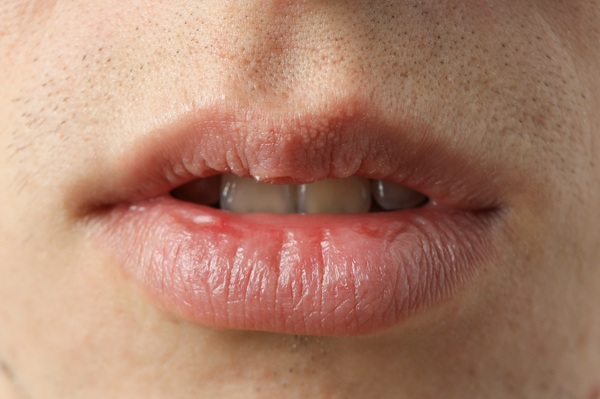
Saliva is something most of us rarely think about, yet it plays a vital role in keeping the mouth healthy and comfortable. From protecting teeth to supporting digestion, saliva is essential to everyday oral function and overall well-being.
When saliva production is reduced (dry mouth), oral health can be significantly affected. Understanding the role of saliva in oral health helps explain why persistent dryness should never be ignored and why it is often considered something that needs to be addressed by professionals.
In this blog, we will explore why saliva is important for oral health and dry mouth symptoms to look out for, so you can take care of your oral health.
Why Is Saliva Important for Oral Health?
Saliva performs several protective and functional roles in the mouth. Healthy saliva flow helps to:
- Wash away food particles and debris
- Neutralise acids produced by bacteria
- Protect tooth enamel from decay
- Support chewing and swallowing
- Aid speech and comfort
- Help control harmful bacteria
In a research study, saliva was shown to play a key role in maintaining the balance of the oral environment, reducing the risk of tooth decay and gum disease.
Without adequate saliva, the mouth becomes more vulnerable to damage and infection.
The Protective Role of Saliva Against Tooth Decay
After eating, bacteria in the mouth produce acids that attack tooth enamel. Saliva helps counteract this process by neutralising acids and supplying minerals that support enamel repair.
This natural protective process is especially important between meals and overnight. When saliva flow is reduced, acids remain in contact with teeth for longer, increasing the risk of cavities.
How Saliva Supports Gum Health
Saliva also protects the gums by controlling bacterial levels and washing away irritants. This way, saliva helps in reducing inflammation and supporting healthy gum tissue.
When saliva is lacking, plaque can accumulate more easily along the gumline, increasing the risk of gum disease. This highlights why saliva is an important consideration in preventive general dentistry care.
What Is Dry Mouth?
Dry mouth, also known as xerostomia, occurs when the salivary glands do not produce enough saliva to keep the mouth moist. It can be temporary or ongoing, depending on the cause.
Dry mouth is not just uncomfortable, but it can also have long-term effects on oral health if left unmanaged.
Common Causes of Dry Mouth
Dry mouth can develop for many reasons, including:
Medications
Many commonly prescribed medications list dry mouth as a side effect, particularly those for blood pressure, anxiety, depression and allergies.
Medical Conditions
Conditions such as diabetes, autoimmune disorders and certain neurological conditions may affect saliva production.
Dehydration
Inadequate fluid intake, illness or excessive caffeine and alcohol consumption can reduce saliva flow.
Ageing
While ageing itself does not directly cause dry mouth, older adults are more likely to take medications that affect saliva production.
Dry Mouth Symptoms to Watch For
Dry mouth symptoms can vary in severity. Common signs include:
- A constant dry or sticky feeling in the mouth
- Difficulty chewing, swallowing or speaking
- Burning or sore sensations
- Cracked lips or mouth corners
- Thick or stringy saliva
- Increased tooth decay
- Bad breath
Some people may not realise they have dry mouth until dental problems begin to appear, which is why regular dental reviews with a qualified dentist are important.
How Dry Mouth Affects Oral Health
Reduced saliva can affect oral health in several ways:
Increased Risk of Cavities
Without saliva’s protective effect, teeth are more prone to decay, particularly around the gumline and between teeth.
Higher Risk of Gum Disease
Dry mouth allows bacteria to thrive, increasing the likelihood of gum inflammation and infection.
Oral Infections
Fungal infections, such as oral thrush, are more common in dry mouth environments.
Managing Dry Mouth: Dental and Home Care Support
Management of dry mouth focuses on identifying the cause and supporting saliva function where possible.
Professional Dental Care
Within general dentistry, dentists assess saliva flow, review medications and monitor for early signs of decay or gum disease. Getting professional dental care also means you receive treatment plans that are tailored to your needs.
At-Home Strategies
Helpful steps may include:
- Drinking water regularly throughout the day
- Avoiding alcohol and excessive caffeine
- Using sugar-free chewing gum to stimulate saliva
- Maintaining excellent oral hygiene
- Using products recommended by your dentist
In a research study, combined professional monitoring and daily management strategies were shown to reduce complications associated with dry mouth.
When to Seek Dental Advice
Persistent dry mouth should always be discussed with a dentist. Early intervention can help prevent complications and protect long-term oral health.
If you notice ongoing dry mouth symptoms, frequent cavities or gum discomfort, a dental assessment can help identify contributing factors and appropriate management options.
Supporting Oral Health at Blue Gum Dental
At Blue Gum Dental, we understand the importance of saliva in maintaining a healthy mouth. Our approach to general dentistry focuses on prevention, education and personalised care.
Whether you’re experiencing dry mouth or simply want to protect your oral health, our friendly Brentwood team is here to provide clear guidance and ongoing support.
Schedule a consultation today to discuss your oral health concerns with our team.
Frequently Asked Questions
1. Why is saliva important for oral health?
Saliva helps protect teeth and gums by neutralising acids, washing away food particles and controlling harmful bacteria.
2. What causes dry mouth?
Dry mouth is commonly caused by medications, medical conditions, dehydration or reduced saliva gland function.
3. Is dry mouth a serious condition?
Dry mouth can increase the risk of cavities, gum disease and oral infections if left unmanaged. Early assessment helps reduce these risks.
4. What are common dry mouth symptoms?
Symptoms may include constant dryness, difficulty swallowing, burning sensations, bad breath and increased tooth decay.
5. Can dry mouth affect my teeth even if I brush regularly?
Yes. Without saliva’s protective role, teeth are more vulnerable to decay despite good brushing habits.
6. How is dry mouth managed in general dentistry?
Dentists assess saliva flow, review contributing factors and recommend tailored care and preventive strategies.
7. Should I see a dentist for dry mouth?
Yes. Persistent dry mouth should be evaluated to prevent long-term oral health problems.
8. Can dry mouth be reversed?
In some cases, dry mouth can be improved by addressing underlying causes. Management focuses on symptom control and protecting oral health.