
The White Diet: What to Eat (and Avoid) After Teeth Whitening
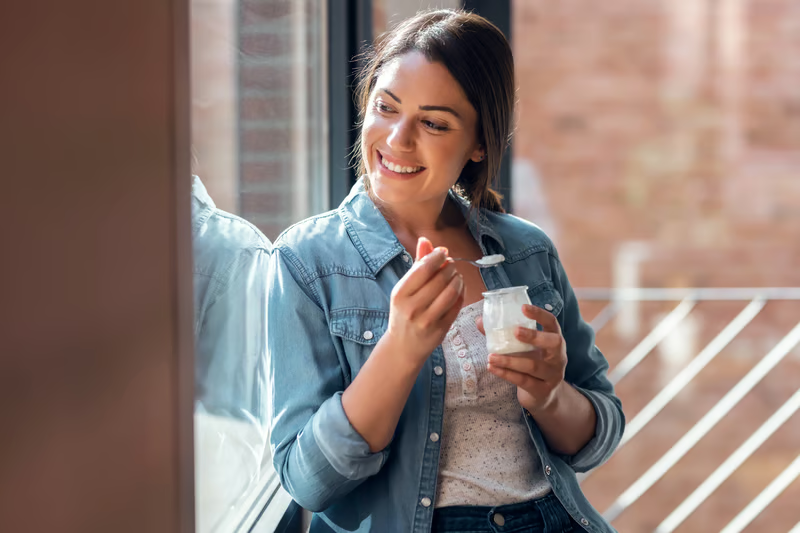
Knowing what to eat after teeth whitening can make a real difference to how long your results last. You’ve just left the dentist with a noticeably brighter smile, and naturally, you want it to stay that way. What you eat and drink in the days right after treatment plays a real part in that. This is where the so-called “white diet” comes in.
This article covers what the white diet actually involves, why your teeth are more vulnerable after whitening, what to eat after teeth whitening (and what to skip), and a few extra aftercare tips to help you enjoy your results longer.
What Is the “White Diet”?
The white diet is a short-term eating approach that guides what to eat after teeth whitening. The idea is simple: stick to light-coloured, low-pigment foods and drinks, and steer clear of anything that could stain a white shirt.
Just a reminder that it’s not a long-term lifestyle change. Just a temporary measure while your teeth are at their most stain-prone. Think of it less as a strict rulebook and more as a short window of extra care after an investment in your smile.
Why Your Teeth Are More Vulnerable Right After Whitening
Whitening treatments work by using a peroxide-based gel to break down stains within the tooth. As part of this process, the enamel surface can experience temporary changes such as increased porosity, making the dentin underneath more susceptible to sensitivity.
In practical terms, this means your teeth can absorb new pigments more easily in the days following treatment. The good news is that this heightened sensitivity is temporary. Enamel gradually settles back to normal, which is exactly why knowing what to eat after teeth whitening only matters for a short window rather than indefinitely.
What to Eat After Teeth Whitening
Stick to foods that are pale in colour and gentle on your teeth. Good options include:
- Lean proteins – chicken, turkey, fish, tofu, egg whites
- Dairy – plain yoghurt, milk, mozzarella, cottage cheese
- Grains – rice, plain pasta, potatoes, white bread
- Pale vegetables – cauliflower, peeled potatoes, onions
- Pale fruits – bananas, pears, peeled apples
- Water – your safest drink of choice during this period
Foods and Drinks to Avoid After Whitening
Chromogenic foods and drinks, or those containing strong colour compounds, are the ones to skip. Common culprits include:
- Coffee and tea – two of the most common causes of tooth staining
- Red wine and dark juices – both rich in pigment
- Tomato-based sauces – think pasta sauce, curry, and soy sauce
- Dark berries – blueberries, blackberries, and similar fruits
- Soft drinks and cordials – especially darker or brightly coloured varieties
- Tobacco – smoking is a well-known contributor to tooth discolouration
It’s also worth being mindful of acidic foods and drinks during this window, as these can add to temporary sensitivity on top of the staining risk.
Foods That Support Healthy Enamel
Alongside knowing what to eat after teeth whitening, it’s worth including foods that are generally supportive of enamel health during the recovery window. Calcium and phosphate, found in dairy foods like milk, cheese, and plain yoghurt, play a role in helping enamel stay strong. Crunchy, water-rich vegetables like cucumber and celery can also help support saliva flow, which naturally assists in clearing food particles.
These foods won’t reverse sensitivity on their own, but they’re a sensible, tooth-friendly choice while you’re already following the white diet.
How Long Should You Follow the White Diet?
Most recommendations on what to eat after teeth whitening suggest following the white diet for around 48 hours, though some dentists may suggest extending this depending on your treatment. Your dentist can give you a timeframe tailored to your specific whitening treatment, so it’s worth checking at your appointment rather than guessing.
Managing Sensitivity and Other Aftercare Tips
Some temporary sensitivity to hot, cold, or sweet foods is common after whitening. A few things that may help:
- Stick to lukewarm foods and drinks for the first day or two
- Use a toothpaste designed for sensitive teeth if needed
- Avoid very hot or very cold items until sensitivity settles
- Hold off on whitening toothpaste for a few days, as these can be more abrasive
- Brush gently with a soft-bristled toothbrush while your teeth feel more sensitive
- Speak to your dentist if sensitivity feels severe or doesn’t ease within a few days
Does It Matter Which Whitening System You Used?
Whether you’ve had in-chair whitening or a take-home kit, the same principles apply for what to eat after teeth whitening. Your teeth are temporarily more porous, so the white diet applies either way.
You may have come across specific whitening system names during your research, but regardless of which one your dentist uses, it’s always best to follow the specific aftercare instructions they give you, since these can vary slightly by treatment.
Protecting Your Investment in a Brighter Smile
A brighter smile is worth a little extra care in the days that follow. Knowing what to eat after teeth whitening — sticking to light-coloured foods, staying hydrated, and giving your teeth a short break from strongly pigmented foods and drinks — all help your results last longer.
If you’re considering teeth whitening or want tailored aftercare advice for your treatment, our team at Blue Gum Dental is here to help.
Book a consultation with us to know how you can take care of your whitened teeth.
Frequently Asked Questions
How long do I need to follow the white diet after teeth whitening?
Most guidance suggests around 48 hours, though your dentist may recommend a different timeframe depending on your specific treatment.
Can I drink coffee after teeth whitening?
It’s best to avoid coffee during the white diet window, as it’s one of the most common causes of tooth staining. Once the recommended period has passed, moderation is generally fine.
Why are my teeth sensitive after whitening?
Whitening treatments can temporarily affect the enamel surface, making the layer beneath more sensitive to hot, cold, or sweet foods. This sensitivity is usually short-lived.
What foods help after teeth whitening?
Knowing what to eat after teeth whitening starts with choosing light-coloured, low-acid foods such as plain yoghurt, chicken, rice, and bananas, alongside plenty of water to keep your mouth clean and hydrated.