
When Can You Brush Your Teeth After Wisdom Teeth Extraction?
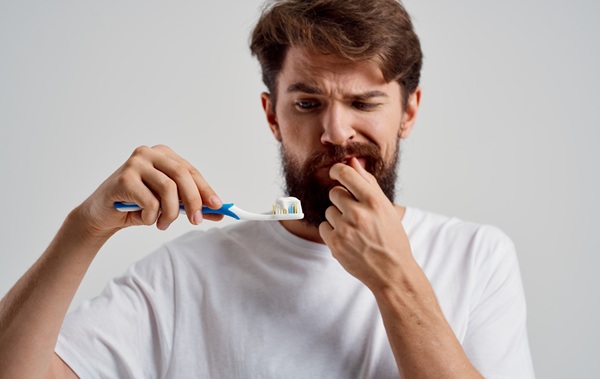
When it comes to common dental procedures, a wisdom tooth removal
Having your wisdom teeth removed is one of the most common dental procedures, giving patients relief from pain or complications caused by unexpected tooth growth. However, one of the first questions most ask after the procedure is: “When can I brush my teeth after wisdom tooth extraction?”
It’s natural to want to return to your normal oral hygiene routine as soon as possible, but brushing too early or too aggressively can slow down your healing. In this blog, we’ll guide you through what to expect, when to safely brush your teeth, and how to care for your mouth after wisdom teeth extraction.
Ready to dive in?
Why Oral Care Matters After Wisdom Teeth Extraction
Wisdom teeth extraction is a type of oral surgery. After the procedure, your gums and surrounding tissues need time to heal. A blood clot forms at the extraction site, which protects the wound and helps the healing process. If this clot is disturbed, it can lead to complications such as dry socket, which is both painful and delays recovery.
That’s why good oral hygiene after extraction is important. It helps prevent infection and keeps your mouth clean, but it must be done carefully and at the right time.
When Can I Brush My Teeth After Wisdom Tooth Extraction?
Many patients wonder, “When can I brush my teeth after wisdom tooth extraction?” The short answer is: you should avoid brushing your teeth for the first 24 hours after surgery.
This waiting period gives the blood clot a chance to form undisturbed. Trying to brush too soon may loosen the clot or irritate the healing area.
After the first 24 hours, you can usually resume brushing the other areas of your mouth—just not directly on the extraction site. Use gentle motions, a soft-bristled toothbrush, and avoid spitting forcefully.
How to Brush Safely After Extraction
Once you start brushing again, it’s important to take extra care. Here are some tips to protect your healing gums:
Use a Soft Toothbrush
Choose a toothbrush with soft bristles to avoid irritating your gums. Brush slowly and gently, especially near the back of your mouth.
Avoid the Extraction Site
For the first few days, do not brush directly on or near the area where your wisdom teeth were removed. Focus on the rest of your teeth until your dentist confirms it’s safe to brush the surgical site.
Rinse Gently, Not Forcefully
Instead of spitting hard after brushing, lean over the sink and let the water fall out of your mouth naturally. Strong spitting can disturb the healing clot.
Other Steps to Keep Your Mouth Clean
Brushing teeth after wisdom tooth extraction is only one part of keeping your mouth healthy during recovery. You can also try these simple steps:
Rinsing With Salt Water
About 24 hours after your surgery, you can gently rinse with warm salt water. This helps keep the area clean and reduces swelling. Avoid using strong mouthwashes unless recommended by your dentist.
Flossing Carefully
You can continue flossing your other teeth as long as you’re careful to avoid the extraction site. Flossing helps remove food particles that could otherwise irritate the area.
Eating the Right Foods
Stick to soft foods like yoghurt, mashed potatoes, or soups during the first few days. Avoid hard, crunchy, or sticky foods that could get stuck around the surgical site.
When to Return to Normal Brushing
Most patients can return to their full brushing routine, including the extraction site, within one week – but this depends on your healing progress. Your dentist will check your mouth during follow-up appointments and let you know when it’s safe to brush normally again.
If you’re unsure, it’s always better to wait a little longer rather than risk slowing down the healing process.
Signs You Should See Your Dentist
While some mild discomfort is normal after wisdom teeth extraction, you should contact your dentist if you notice:
- Severe or worsening pain
- Swelling that doesn’t improve
- Bad breath or a foul taste in your mouth
- Visible pus near the extraction site
- The feeling that your blood clot has come loose
These may be signs of infection or other complications that need professional care.
The Bottomline
Wisdom teeth extraction is a big step toward better oral health, but proper care afterward is just as important. Remember:
- Don’t brush your teeth for the first 24 hours after extraction.
- After that, brush gently, avoiding the surgical site.
- Use saltwater rinses and eat soft foods to support healing.
- Return to normal brushing only when your dentist advises it’s safe.
Don’t Ignore Your Recovery
Healing from wisdom teeth extraction takes time, but the right care can make the process smoother and more comfortable. If you’re unsure about brushing or notice anything unusual, don’t wait: reach out to your dentist.
At Blue Gum Dental, we understand how important recovery is. Our caring team is here to guide you through every step, from surgery to healing. If you have questions about brushing teeth after wisdom tooth extraction or need help with your recovery – book an appointment with us today.