
Signs You Might Need a Root Canal Before It Hurts
“Root canal.” Two words that tend to make people grimace.
The phrase has built quite a reputation over the years, and not a flattering one. But here’s what most people don’t realise: the procedure itself is not what causes pain.
It’s the infection that causes pain. Root canal treatment is what takes it away.
More importantly, there are signs your tooth sends you, often long before things become unbearable. Catching those signals early is what separates a straightforward procedure from a full-blown dental emergency.
Here’s what to watch for.
What Actually Is a Root Canal?
Before getting into the warning signs, it helps to understand what root canal treatment actually involves.
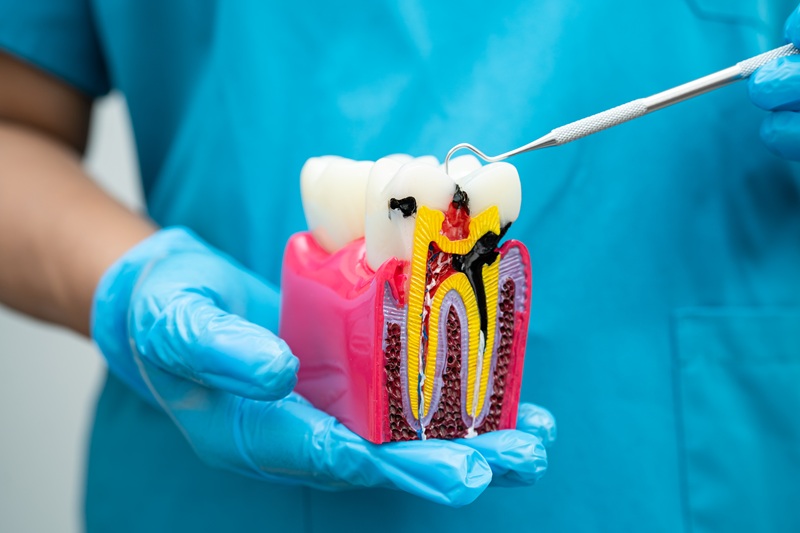
Inside each tooth, beneath the hard outer enamel and the softer dentine layer, lies a small space called the pulp chamber. This chamber contains nerves, blood vessels, and connective tissue. When bacteria reach this inner layer through deep decay, a crack, or a chip, the pulp can become infected or inflamed.
Root canal treatment removes the infected pulp, cleans and shapes the inner canal, and then seals it to prevent reinfection. In most cases, a crown is placed over the tooth afterwards to restore its strength and function.
7 Signs You Might Need a Root Canal
Root canal warning signs are not always dramatic. Some are subtle, easy to explain away as a bit of sensitivity or a passing ache. But your body’s communicating something, and it’s worth listening.
1. Persistent Tooth Pain
This is the most common sign, and the one hardest to ignore. Not a fleeting twinge, but a dull, ongoing ache or sharp pain that keeps coming back. The pain might be in the tooth itself, or it might radiate into the jaw, face, or even the ear.
If something’s been bothering you for more than a few days, don’t wait it out.
2. Sensitivity to Hot and Cold That Lingers
Sensitivity to hot or cold is common and not always serious. But if the sensitivity hangs around well after the temperature source is removed rather than fading within a few seconds, that’s a different story.
A healthy tooth’s sensitivity should resolve quickly. When it doesn’t, it often means the nerve is compromised.
3. Pain When Chewing or Biting
Discomfort when you bite down, especially if it’s concentrated in one tooth, is a sign that something is not right at the root level. Tooth pain when chewing can point to an infected pulp or inflammation around the root tip, and it’s not something to brush off.
4. A Pimple or Bump on the Gum
A small raised bump on the gum near a sore tooth is a significant warning sign. It’s essentially a channel your body has created to drain pus from an infection. It might come and go, and the pain may actually ease when it drains. But that does not mean the infection’s resolved.
Most of the time, it has not.
5. Darkening or Discolouration of the Tooth
If a single tooth has started to look noticeably darker than its neighbours, it may indicate the pulp inside is dying or has already died. Trauma to the tooth, or deep internal decay, can both cause this kind of discolouration, and both warrant a proper assessment.
6. Swollen or Tender Gums Near the Tooth
Swelling around a specific tooth or gums that feel tender to the touch in one area, can signal infection at the root. In some cases, the swelling can extend into the jaw or neck, and if that’s happening, it’s time to seek dental care promptly.
7. Dental Abscess Symptoms
A dental abscess is a pocket of pus caused by bacterial infection, typically at the root tip. Symptoms can include severe throbbing pain, significant swelling, a bad taste in the mouth, and sometimes fever. This is a dental emergency.
As we covered in Early Detection & Intervention for Catching Dental Issues, waiting for symptoms like these to resolve on their own isn’t the answer. The infection won’t clear without treatment.
Why Catching It Early Matters So Much
The earlier a compromised tooth is assessed, the more options are on the table. A tooth showing early symptoms of nerve damage may need only a simple filling or crown. By the time things progress to a full abscess, treatment becomes more involved.
There’s a broader health picture here, too. As we explored in our blog Are Bleeding Gums Normal?, your mouth and the rest of your body should not be seen as separate systems.
A dental infection left untreated can spread beyond the jaw. Getting on top of it early is not just about saving the tooth. It’s about looking after your overall health.
But Is a Root Canal Really That Bad?
Honestly? Not in the way most people expect. Modern root canal treatment is performed under local anaesthesia, and the vast majority of patients find it no more uncomfortable than having a filling done.
If you’d like to understand what the process actually involves, our blog on Long-Term Side Effects of Root Canal Treatment walks through it clearly.
The fear of root canals tends to be far worse than the reality. What’s genuinely uncomfortable is leaving an infected tooth untreated and hoping it sorts itself out. It won’t.
Don’t Wait for the Pain to Get Louder
Your tooth’s been trying to tell you something, and the sooner you listen, the simpler the solution.
Whether it’s a lingering sensitivity, an ache that keeps returning, or a tooth that just does not feel right, trust that instinct and get it checked. These things rarely improve on their own, but they respond really well to early care.
At Blue Gum Dental, we approach root canal treatment with care, precision, and a genuine understanding that dental anxiety is real. Our team will walk you through everything before we begin, keep you comfortable throughout, and make sure you leave knowing exactly what comes next.
Book a consultation with us today!
Frequently Asked Questions
Is a root canal painful?
The procedure is carried out under local anaesthesia, so you won’t feel pain during treatment. Some tenderness around the treated tooth for a few days afterwards is normal and easily managed with over-the-counter pain relief. Most patients are genuinely surprised by how manageable the whole experience is.
How do I know if my toothache needs a root canal or just a filling?
A filling is typically enough for decay that has not reached the pulp. If the decay has reached the nerve, or if you’re experiencing any of the warning signs above, a root canal is likely needed.
Your dentist will assess the tooth with an X-ray to confirm the right course of action.
What happens if I leave an infected tooth untreated?
The infection will not clear on its own. Without treatment, it can spread to the surrounding bone and tissue, potentially leading to an abscess, tooth loss, and, in some cases, more serious health complications.
Early treatment is always the better outcome for your tooth and your health.
Can a tooth that needs a root canal be saved?
In most cases, yes, and saving your natural tooth is almost always the preferred outcome. Root canal treatment has a strong track record, and with a crown placed afterwards, a treated tooth can function well for many years to come.