
Signs You May Be Grinding Your Teeth at Night
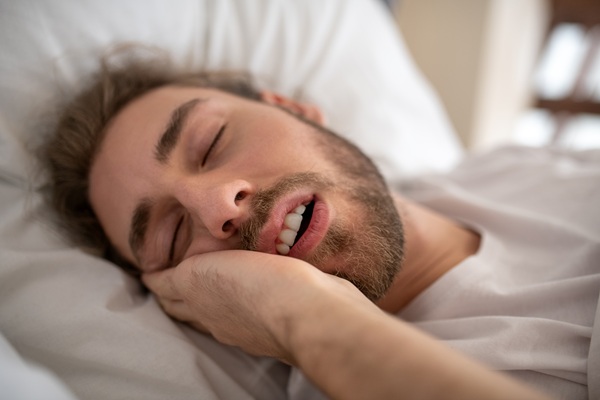
Waking up with a sore jaw, a dull headache, or sensitive teeth can be confusing, especially if you felt fine the night before. For many people, these symptoms may be linked to teeth grinding at night, a common condition also known as bruxism.
Because it happens while you sleep, you may not even realise it’s occurring until damage or discomfort starts to show on your teeth or jaw.
In this article, we will cover the most common grinding teeth signs, why teeth grinding at night matters, and when it may be time to seek help. We will also explain how nighttime grinding splints (also called a night guard/occlusal splint for teeth grinding) can help protect your teeth and jaw.
What Is Teeth Grinding at Night?
Teeth grinding at night (also called sleep bruxism) is when you clench or grind your teeth while you’re asleep. It can put extra pressure on your teeth, jaw muscles, and the jaw joints near your ears.
Sleep bruxism often happens around brief sleep “arousals,” which are tiny shifts during sleep that you may not remember in the morning. These arousals can trigger jaw muscle activity, which is why grinding can come and go through the night rather than happening constantly.
Sleep bruxism can also be influenced by a mix of factors that vary from person to person. These may include stress and anxiety, certain medications or substances, and other sleep-related issues.
It can also cause symptoms like jaw pain or tightness, headaches, tooth wear, tooth sensitivity, and disturbed sleep. Some people only realise it’s happening because their partner hears grinding noises at night, or their dentist notices signs like worn or damaged teeth.
Why Teeth Grinding at Night Should Not Be Ignored
It’s easy to brush off grinding if you don’t feel pain every day. Plus, it’s often harder for people to be aware that they are grinding their teeth while they sleep. Aside from that, a sleeping person may not perceive their bite strength when grinding happens, so they may clench more tightly and grind their teeth to up to 250 lbs of force.
But over time, clenching and grinding can lead to:
- Tooth fractures or enamel wear (which can increase sensitivity)
- Sore jaw muscles that flare up more often
- Jaw joint discomfort near the ears (some people notice clicking or aching)
- Ongoing headaches on waking
Because of these effects, a consultation with a dentist may help address their issues and concerns early before they worsen.
6 Common Signs You May Be Grinding Your Teeth
1. Morning Jaw Pain or Stiffness
One of the clearest signs of teeth grinding is waking up with a tight or sore jaw. Constant clenching overnight can overwork the jaw muscles, leading to morning jaw pain and stiffness that may ease as the day goes on.
2. Headaches Linked to Teeth Grinding
Frequent morning headaches, especially around the temples, can be another clue. According to research, muscle tension from clenching and grinding can contribute to tension-type headaches.
3. Worn or Chipped Teeth
Dentists often spot worn or chipped teeth from grinding during routine check-ups. Flattened biting surfaces, small cracks, or increased tooth sensitivity can all point to ongoing grinding.
4. Partner Noticing Grinding Noises at Night
In many cases, it’s a sleeping partner who first raises the concern. Loud grinding or clicking sounds during the night are a strong indicator of teeth grinding, even if you have no pain yet.
5. Tight or Sore Jaw Muscles on Waking
If your jaw muscles feel tired or tender when you wake, this may be another sign of overnight clenching. Over time, this tension can also affect the jaw joints (TMJ), making it uncomfortable to open or close your mouth fully.
6. Cracked Fillings or Dental Work
Excessive pressure from grinding can also damage existing dental restorations. Cracked fillings from clenching or repeated repair needs may suggest that bruxism is putting stress on your teeth.
How Nighttime Grinding Splints Can Help
If you’re grinding or clenching in your sleep, one of the most common ways dentists protect your teeth is with nighttime grinding splints (also called a night guard/occlusal splint for teeth grinding). These are custom-made appliances you wear at night that fit over your teeth.
However, it’s important to remember that a splint doesn’t stop bruxism completely, but it can help reduce the damage caused by teeth grinding at night. It works by creating a protective barrier between your upper and lower teeth, which helps:
- Protect tooth enamel from ongoing wear
- Lower the risk of chips, cracks, or damage to dental work (like fillings) from heavy clenching
- Reduce stress on the jaw muscles for some people, which may ease morning tightness or soreness
Why “Custom-Made” Matters
While over-the-counter splints are available, a professionally made splint is designed to fit your bite and sit comfortably while you sleep. This is important because an ill-fitting guard can feel bulky, fall out, or irritate the gums, and it may not protect your teeth properly.
If you’re looking for nighttime grinding splints in Brentwood, WA, Blue Gum Dental will help and assess your teeth.
Don’t Ignore the Signs. Protect Your Teeth Early
Because it happens while you sleep, teeth grinding at night is easy to miss. However, your body often gives early warnings, such as morning jaw pain and stiffness, headaches, or worn or chipped teeth.
These teeth-grinding signs are not something you need to simply live with. When addressed early, it’s possible to reduce discomfort and help protect your teeth from long-term damage.
Talk to our team at Blue Gum Dental about nighttime grinding splints to give your teeth an added layer of protection from bruxism. Book an appointment with us to be assessed.
Frequently Asked Questions
How do I know if I grind my teeth at night?
Many people are unaware that they grind their teeth because it happens during sleep. Common signs include morning jaw pain or stiffness, headaches on waking, worn or chipped teeth, or a partner hearing grinding noises at night. A dental check-up can help identify signs of bruxism.
What causes teeth grinding at night?
Teeth grinding at night, also known as sleep bruxism, can be influenced by several factors. These may include stress or anxiety, sleep disturbances, certain medications, and bite or jaw alignment issues. In many cases, more than one factor is involved.
Is teeth grinding harmful if I don’t feel pain?
Even if you don’t feel pain, ongoing grinding can still wear down tooth enamel and place stress on your teeth and jaw muscles. Over time, this may increase the risk of tooth damage, jaw discomfort, or cracked dental work.
Can a night guard stop teeth grinding completely?
A night guard or occlusal splint does not always stop grinding from happening. However, it can help protect your teeth by acting as a barrier and reducing the damage caused by clenching and grinding during sleep.
When should I see a dentist about teeth grinding?
You should consider seeing a dentist if you regularly wake with jaw pain, headaches, tooth sensitivity, or if your partner notices grinding sounds. Early assessment can help reduce the risk of long-term damage and determine whether options like nighttime grinding splints may be suitable.