
Pediatric Sealants: Preventing Decay Before It Starts
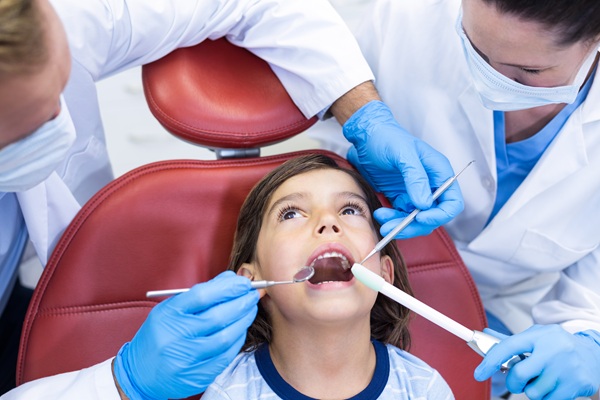
Children grow fast, and so do their smiles. As new teeth appear and everyday habits take shape, parents often wonder how to best protect their child’s oral health, especially during the years when brushing technique, diet and busy routines can make teeth more vulnerable to decay.
That’s where smart, preventive care becomes incredibly valuable.
One simple, painless and highly effective way to protect children’s teeth is through paediatric dental sealants. These tiny protective coatings act like a shield over the deep grooves of molars, helping prevent food and bacteria from settling in the places kids struggle to clean.
Let’s explore how they work, why they are important and how they can support your child for long-term protection against tooth decay.
What Are Dental Sealants and How Do They Work?
Dental sealants are thin protective coatings applied to the pits and fissures of the chewing surfaces of molar and premolar teeth. These pits and grooves tend to trap food and bacteria, making them more susceptible to decay. A sealant creates a barrier, reducing the risk of harmful bacteria reaching the enamel and helping protect the tooth from decay.
Modern sealants are now made to effectively intervene and reduce the incidence of decay, especially on primary and permanent molars in children and adolescents.
In a research, an umbrella review found moderate quality evidence that sealants placed on children’s permanent molars reduce new caries compared with untreated teeth.
Why Are Sealants Important in Paediatric Dentistry?
Children are particularly vulnerable to decay in molar teeth soon after they erupt. The deep grooves and pits of newly erupted molars, combined with challenges in cleaning and dietary habits, mean that preventive measures like sealants are especially beneficial.
In a research study, resin-based sealants in high-caries-risk children significantly reduced new decay compared with no sealant.
When combined with other preventative strategies such as fluoride, good home care and diet control, sealants are part of an evidence-based approach to preventing tooth decay.
When Are Sealants Recommended?
Sealants are typically recommended:
- When permanent first molars erupt (around age 6)
- When permanent second molars erupt (around age 12)
- For children with an increased risk of decay
- For deep fissures in baby molars (in select cases)
Dentists still have to consider several factors, including a child’s previous dental history, dietary habits and ability to maintain good oral hygiene before they provide sealant treatments to children.
Benefits & Limitations of Paediatric Dental Sealants
Sealants offer several important benefits. However, they also have various disadvantages. Let’s see their benefits first.:
Benefits of Dental Sealants
- Protect Against Early Decay – Sealants help reduce the risk of cavities in the deep grooves of molars, the most common decay sites in children.
- Support Long-Term Oral Health – By preventing early decay, sealants can reduce the need for fillings later on.
- Affordable Preventive Care – Sealant treatment is less costly and less invasive than treating cavities.
- Painless and Quick – The procedure is comfortable, making it ideal for young patients.
Limitations of Sealants
Although sealants are effective, they’re not suitable for every child or every tooth.
- Sealants protect chewing surfaces only. They don’t protect between teeth
- They may wear down over time and require maintenance
- Very young children who cannot keep their teeth dry may not be ready for sealants
- Not all baby teeth require sealing
Effectiveness in primary molars is less conclusive than in permanent molars, which is why the dentist needs to evaluate each case individually for better diagnosis.
The Sealant Procedure: What Parents Can Expect
The application of a dental sealant is typically quick and can be tolerated by many children of all ages because it involves no drilling, needles or discomfort.
Here’s what typically happens:
- Cleaning the Tooth – The dentist cleans the chewing surface to remove debris or plaque.
- Preparing the Enamel – A gentle etching gel is applied. This helps the sealant bond effectively.
- Rinsing and Drying – The tooth is rinsed and dried. Keeping the tooth dry is important for bonding.
- Applying the Sealant – The sealant material is placed in the grooves of the tooth and shaped as needed.
- Hardening the Sealant – A curing light is used to harden the sealant, creating a durable protective coating.
- Final Check – The dentist ensures the sealant fits comfortably in the child’s bite.
How Families Can Support Sealant Success
As mentioned earlier, sealants work best when combined with healthy habits. Parents can support success by:
- Encouraging brushing twice daily with fluoride toothpaste
- Supervising brushing for younger children
- Limiting sugary foods and drinks
- Scheduling regular check-ups so sealants can be monitored
- Ensuring children wear mouthguards during sports
These habits help keep both sealed and unsealed teeth healthy.
Take the Next Step Toward a Healthy Smile
Paediatric dental sealants offer children an extra layer of protection during the years when their teeth are most vulnerable to decay. They are simple, comfortable and backed by strong evidence showing their value in reducing the risk of cavities.
When combined with good daily habits and regular dental check-ups, sealants can play an important role in keeping your child’s smile healthy well into the future.
If you’re wondering whether sealants are suitable for your child, our team at Blue Gum Dental is here to guide you with clear, gentle and professional care.
Schedule a consultation with us for your child’s appointment.
Disclaimer: This article is for general information only and does not replace personalised dental advice. Please consult your dentist for an assessment and treatment plan tailored to your individual needs.
Frequently Asked Questions
1. What are dental sealants for children?
Dental sealants are thin protective coatings applied to the grooves of molar and premolar teeth. They help prevent food and bacteria from settling into areas that are difficult for children to clean, reducing the risk of developing tooth decay.
2. When should children get sealants?
Sealants are commonly recommended when the permanent first molars erupt (around age six) and again when the second molars appear (around age twelve). They may also be recommended earlier for children with a higher risk of decay or deep grooves in their baby molars.
3. Are sealants safe for children?
Sealants have been widely used for many years and are considered a safe, effective part of preventive children’s dentistry. They are non-invasive, do not require drilling and are well-tolerated by most children.
4. How long do sealants last?
Sealants can last several years but may wear down over time. Regular dental check-ups allow your dentist to monitor them and reapply when needed to maintain protection.
5. Do sealants replace brushing and fluoride?
No. Sealants protect only the chewing surfaces of molars. Children still need to brush twice daily with fluoride toothpaste, clean between their teeth and follow a healthy diet. Sealants work best when combined with these habits.
6. Do all children need dental sealants?
Sealants are helpful for many children, particularly those with deep grooves in their back teeth or a history of decay. However, they may not be necessary for every child or every tooth. Suitability is assessed individually during a dental examination.
7. Is the sealant procedure painful?
No. The process is simple and comfortable. It involves cleaning, drying and applying the sealant material to the tooth, followed by curing it with a special light. No needles or drilling are required.