
How to Handle a Knocked-Out Tooth (Step-by-Step)
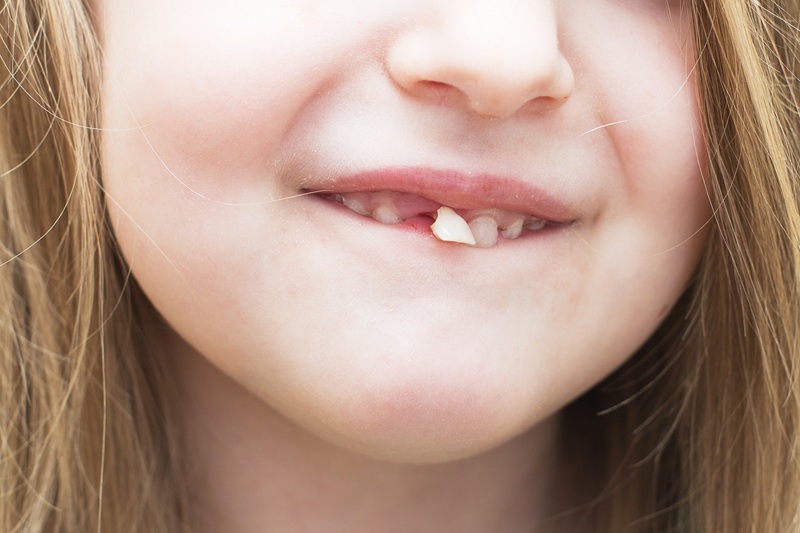
A knocked-out tooth is one of those dental emergencies that can stop you in your tracks. Whether it happens on the footy field, at the playground, or from an unexpected fall, the panic that sets in is completely understandable.
But here’s what you need to know: how you respond in the next 30 to 60 minutes can make the difference between saving the tooth and losing it permanently.
Acting quickly, calmly, and knowing exactly what to do gives you the best possible chance of a successful outcome. This step-by-step guide will walk you through everything you need to do from the moment a tooth is knocked out.
Step 1: Stay Calm and Find the Tooth
The first thing to do is take a breath and locate the tooth. Pick it up carefully because this part is important. Handle it by the crown (the white part you normally see in the mouth), and not by the root.
The root surface contains delicate cells called periodontal ligament fibres that are critical for reattachment. Touching or damaging them reduces the chance of the tooth being successfully reimplanted.
Do not rub the tooth, scrape it, or wrap it in a tissue or cloth.
Step 2: Rinse Gently if Dirty
If the tooth is visibly dirty, rinse it very briefly, no more than ten seconds under clean, cold running water or milk. Do not use soap, chemicals, or disinfectant.
Do not scrub the surface, as well. The goal is simply to remove any debris without disturbing the root surface.
Step 3: Try to Reinsert the Tooth
If the person is conscious, calm, and not at risk of swallowing the tooth, the best place for a knocked-out tooth is back in its socket immediately. Gently push it back into position with your fingers, making sure it’s facing the right way. Hold it in place by biting down gently on a clean cloth or gauze.
This might feel confronting, but reinsertion is the single most effective way to preserve the tooth. Every minute the tooth spends outside the mouth reduces the viability of those root surface cells.
If reinsertion is not possible, for example, with a young child or someone who is distressed, move straight to Step 4.
Step 4: Keep the Tooth Moist
If you can’t reinsert the tooth, keeping it moist is the next priority. The root surface cells begin to die when they dry out, so the tooth must never be left dry or wrapped in a tissue.
The best storage options, in order of preference:
- Milk — the most readily available and one of the good ways to preserve a knocked-out tooth, as the pH and protein from the milk content help preserve cell viability
- Between the cheek and gum of the patient (adults only — not suitable for young children due to swallowing risk)
- Saline solution — if available
- Water — the least ideal option, but far better than letting the tooth dry out
Step 5: Get to a Dentist Immediately
This is a genuine dental emergency. Call your dentist right away and explain what has happened.
At Blue Gum Dental, we aim to see urgent cases as promptly as possible. If it’s outside business hours, make sure to book your appointment online to schedule an early visit to our dentist.
The 30-minute window is critical. Teeth reimplanted within 30 minutes have significantly higher success rates. Beyond an hour, the prognosis becomes much less favourable, though it’s always worth trying regardless of the time elapsed.
If you’re ever unsure whether a situation qualifies as a dental emergency or need guidance on accessing urgent care, our blog 8 Ways to Avail Dental Emergency Without Money also outlines the options available to you in Australia.
Is It Different for Children?
Yes, and this is an important distinction. If a baby tooth (primary tooth) is knocked out, it should not be reinserted. Attempting to reimplant a baby tooth can damage the developing adult tooth underneath.
Instead, keep the child calm, control any bleeding with gentle pressure using clean gauze, and contact your dentist as soon as possible for assessment and guidance.
For adult (permanent) teeth, always attempt reinsertion or moist storage and get to a dentist immediately.
What Happens at the Dentist?
When you arrive, your dentist will assess the tooth and the socket and take an X-ray. If the tooth is viable, your dentist will reinsert and splint it to the adjacent teeth for a period of stabilisation.
In the weeks following, you will need to have follow-up appointments to monitor healing. A root canal may also be required later, depending on how the nerve responds.
Not every reimplanted tooth survives long-term, but with fast action and proper care, many do.
Protecting Your Teeth Before an Accident Happens
While you cannot always prevent accidents, you can significantly reduce the risk of dental trauma by wearing a custom-fitted mouthguard, especially during contact sports.
Custom mouthguards offer far superior protection compared to over-the-counter options, fitting precisely to your teeth and absorbing impact far more effectively. It’s one of the simplest and most worthwhile investments you can make for your smile and your child’s.
Gum health also plays a role in how teeth respond to trauma. Teeth supported by healthy gums and bone are more resilient than those affected by gum disease. If you have any concerns about your gum health, our blog Are Bleeding Gums Normal? is a helpful starting point.
When Every Second Counts, You Don’t Have to Face It Alone
A knocked-out tooth is frightening, but you now know exactly what to do. Stay calm, handle the tooth carefully, keep it moist, and get to your dentist as fast as you possibly can. The faster you act, the better the outcome.
At Blue Gum Dental, we’re here for you when dental emergencies strike. Our team will see you as promptly as possible, assess the situation, and do everything we can to save your tooth and get you comfortable again.
Contact us immediately if you’re experiencing a dental emergency.
Frequently Asked Questions
How long can a knocked-out tooth survive outside the mouth?
The viability of the root surface cells begins to decline within minutes. Ideally, the tooth should be reimplanted or stored in milk and seen by a dentist within 30 minutes. After an hour, the chances of successful long-term reimplantation decrease significantly, though emergency care should still be sought regardless.
What if I can’t find the tooth right away?
Search for it as quickly as possible, handling it by the crown when found. If significant time has passed and the tooth has dried out, it may still be worth bringing it to your dentist.
Can a reimplanted tooth last a lifetime?
It’s possible, though outcomes vary. Some reimplanted teeth go on to function normally for many years, while others may eventually require extraction due to root resorption or other complications.
Your dentist will monitor the tooth at regular follow-up appointments to assess its long-term health.
Should I take painkillers before seeing the dentist?
Over-the-counter pain relief such as paracetamol can help manage discomfort while you make your way to the dentist. Avoid aspirin, as it can thin the blood and worsen any bleeding at the site.