
From Bridge to Bite: How to Care for a New Dental Bridge
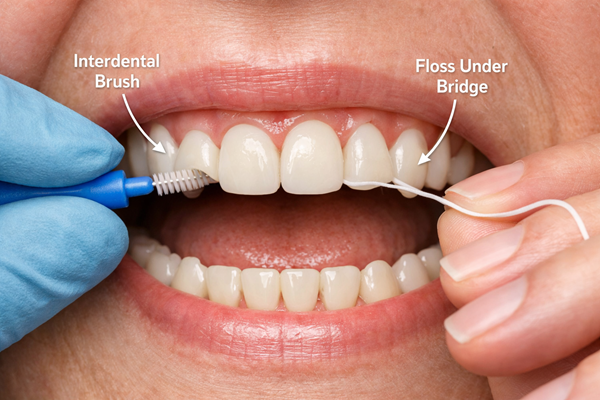
Getting a dental bridge is a big step towards restoring your smile and your confidence, and if you’ve just had one placed, congratulations! But here’s the thing many patients don’t realise until after the procedure: how long your bridge lasts comes down largely to how well you look after it.
The good news is that taking care of dental bridges is not complicated. With the right daily habits and a little know-how, your bridge can serve you well for 10 to 15 years or more.
So let’s walk through everything you need to know about dental bridge aftercare, from the first few days post-placement to the long-term maintenance habits that really make a difference.
The First Few Days: What to Expect
It’s completely normal to experience some sensitivity and mild discomfort in the days immediately after your new dental bridge is placed. The supporting teeth, known as abutment teeth, have been prepared to anchor the bridge, and your mouth needs a little time to adjust.
During this initial settling-in period:
- Stick to soft foods like yoghurt, mashed potato, scrambled eggs, and soup (more about this will be covered later)
- Avoid very hot or cold foods and drinks if you’re experiencing sensitivity
- Chew on the opposite side of your mouth where possible
- Take over-the-counter pain relief if needed, following the packet instructions
If your sensitivity or discomfort persists beyond a couple of weeks or you notice any sharp pain when biting, it’s worth getting it checked. Sometimes a bridge needs minor adjustments to the bite, and that’s typically a quick, straightforward fix. You can read more about what causes dental bridge discomfort in our blog Why Does My Dental Bridge Hurt?
How to Clean a Dental Bridge Properly
Oral hygiene with a dental bridge requires a bit more attention than brushing natural teeth alone, particularly underneath the false tooth (called the pontic), where plaque and food particles love to hide.
Here’s how to keep your bridge clean day to day:
Brushing: Brush twice a day as usual, making sure to angle the bristles towards the gum line around the abutment teeth. A soft-bristled toothbrush is ideal to avoid unnecessary abrasion.
Flossing: Regular floss won’t thread under a bridge easily, which is why floss threaders or interdental brushes are your best friends here. These allow you to clean underneath the pontic and between the gum line.
This area is particularly prone to plaque buildup. Water flossers are also a great option if you find threading fiddly.
Mouthwash: An antibacterial mouthwash may help reduce bacterial buildup in hard-to-reach areas. Use it as a complement to brushing and flossing, not a replacement.
Skipping this step is one of the most common reasons bridges run into problems. Plaque accumulation under the bridge can lead to gum irritation, decay in the abutment teeth, and potentially even gum disease.
Foods to Avoid With a Dental Bridge
While a well-made dental bridge is strong and durable, certain foods may put unnecessary stress on it, especially in the early weeks. Here’s what to be mindful of:
- Hard foods like crusty bread, raw carrots, nuts, and hard lollies can place excessive force on the bridge and risk cracking or dislodging it
- Sticky foods like caramel, chewing gum, and chewy sweets can pull on the bridge and loosen the cement over time
- Tough meats that require a lot of force to chew. Choose softer cuts or cook meat until tender
This doesn’t mean you can never enjoy these foods again. It just means being mindful, particularly in the adjustment period and long-term, when it comes to the sticky and very hard stuff.
How to Protect Your Dental Bridge Long-Term
Adjusting to a new dental bridge is one thing, but protecting it for the long haul is another. Here are the dental bridge maintenance habits that will keep your restoration in great shape:
Attend regular dental check-ups
Your dentist will check the fit of your bridge, monitor the health of the surrounding gum tissue, and professionally clean areas that home care can’t always reach.
Wear a nightguard if you grind your teeth
Bruxism, or teeth grinding, puts significant pressure on dental restorations. If you’re a grinder, a custom nightguard is one of the best things you can do to protect your bridge, your abutment teeth, and your overall dental health.
Don’t use your teeth as tools
Opening packets, biting nails, or chewing on pens can all put unexpected force on your bridge. It’s a habit worth breaking for the sake of your whole smile.
If you’re still weighing up whether a bridge is the right option for your situation, our blog Dental Crown or Bridge: Which Is Right for You? breaks down the differences to help you make an informed decision.
Your Bridge Deserves the Best Care
A dental bridge is more than just a restoration; it’s an investment in your comfort, your confidence, and your quality of life. The good news is that with a simple daily routine and a little awareness around what to eat and avoid, caring for your new dental bridge is very manageable.
If you want to know if a dental bridge is suitable for you, a consultation with a qualified dentist is the best step you may have to take. When you’re in or around Brentwood, WA, our team at Blue Gum Dental is always here to answer your questions, guide you through your aftercare, and make sure your bridge stays in great shape.
Book an appointment with us today!
Frequently Asked Questions
How long does a dental bridge last?
With proper care and regular dental check-ups, a dental bridge can last anywhere from 10 to 15 years, and sometimes longer. The key factors are good oral hygiene, avoiding habits that stress the bridge, and keeping up with routine dental appointments.
Can I eat normally with a dental bridge?
Yes, for the most part. After the initial adjustment period, most people eat comfortably with their bridge. It’s best to avoid very hard or sticky foods long-term to protect the restoration and the teeth supporting it.
Is it normal for a dental bridge to feel tight or uncomfortable at first?
Some tightness and sensitivity in the first few days is completely normal as your mouth adjusts. However, if the discomfort is significant or does not ease within a couple of weeks, contact your dentist.
How do I know if something is wrong with my bridge?
Signs to watch for include persistent pain or sensitivity, difficulty biting or chewing, a feeling that the bridge has shifted, or visible gaps developing at the gum line. If you notice any of these, book an appointment sooner rather than later.