
How Dental Appliances Can Improve Sleep and Airway Health
Do you snore when you sleep? We all know sleep is essential for good health, yet many people struggle with breathing problems at night. What you might think of as simple snoring may actually be a sign of an even bigger problem.
Snoring, restless sleep, and even sleep apnoea can all make it hard to feel rested. What some people don’t realise is that the dentist may be able to help address these with the right oral dental appliance. These tools are just some of the proven ways of improving sleep, which also support healthier breathing.
Because of how they are used, this type of care, sometimes called airway health dentistry, looks at the link between the mouth, jaw, and breathing in a holistic way.
In this article, we’ll explain what dental appliances are, how they work, and the role they play as part of broader airway health solutions.
Understanding Sleep and Airway Health
Before we dive into dental appliances, let’s first understand our airway health during sleep. When you sleep, the muscles in your throat and tongue relax. For some people, this relaxation can block the airway. Even partial blockage can lead to:
- Loud snoring
- Breathing pauses (sleep apnoea)
- Restless or broken sleep
- Waking up tired or with headaches
- Daytime sleepiness or difficulty concentrating
Poor sleep can also raise the risk of high blood pressure, heart disease, and other health problems. That’s why airway-focused dental care is becoming an important part of improving overall well-being.
How Oral Dental Appliances Work?
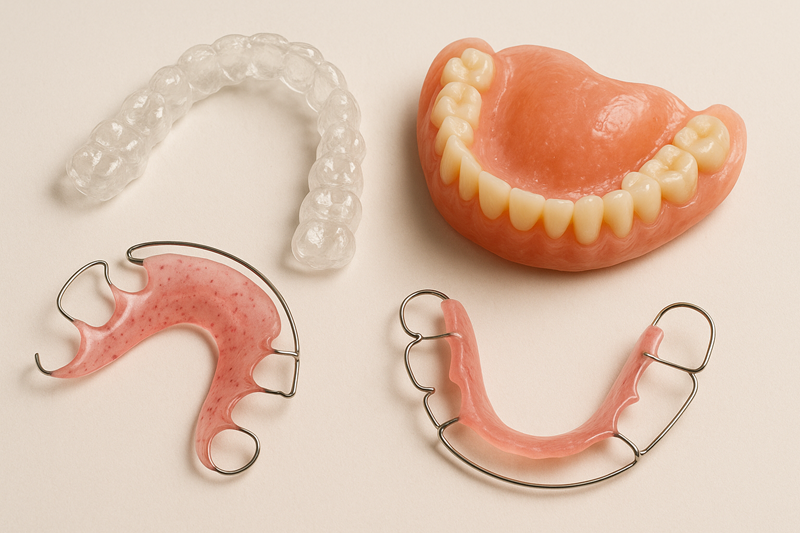
An oral dental appliance is a custom-made device that fits in your mouth while you sleep. It looks a bit like a sports mouthguard but is designed specifically to keep your airway open.
These appliances gently reposition your jaw or tongue so that your breathing passages stay clear during the night. They are small, portable, and easy to use, which makes them a popular alternative to CPAP machines for some patients.
Dentists trained in airway health dentistry assess your needs, take impressions of your teeth, and ensure the appliance is made to fit comfortably in your mouth.
How Dental Appliances Improve Sleep
There are several ways of improving sleep through oral appliances. These include:
1. Reducing Snoring
By moving the lower jaw slightly forward (or holding the tongue in a better position), the appliance creates more space behind the tongue. This reduces the vibration of soft tissues—the main cause of snoring.
What you may notice: Softer snoring or complete quiet on many nights, fewer sleep disruptions for you (and your partner).
Tips for best results: Wear it every night, avoid alcohol close to bedtime (it relaxes throat muscles), and sleep on your side if you can.
2. Treating Mild to Moderate Sleep Apnoea
Sleep apnoea is a condition where your breathing stops and starts during sleep. There are two types of sleep apnoea: obstructive sleep apnoea and central sleep apnoea. The former happens when the airway is blocked during sleep, while the latter happens when the brain does not send signals to breathe.
For obstructive sleep apnoea patients, the device keeps the airway from collapsing during sleep, which reduces breathing pauses and helps the body get enough oxygen.
What you may notice: Fewer breathing pauses, less waking up gasping, and more continuous sleep.
How progress is checked: Your dentist may recommend a home sleep test before and after fitting to confirm improvement. This team approach is part of airway health dentistry.
3. Improving Sleep Quality
Better airflow means more restful and deeper sleep cycles. Many patients report waking up with more energy, clearer focus, and fewer morning headaches.
What you may notice: Waking with more energy, fewer morning headaches or dry mouth, and better focus at work.
Timeline: Many people feel changes within 1–2 weeks of consistent use, though some need small adjustments to the appliance for the best fit.
4. Supporting Overall Health
Since poor sleep has been linked to health issues, like heart disease and diabetes, keeping the airway open with an appliance may also support general well-being.
What you may notice: More stable energy through the day, less irritability, and improved exercise tolerance.
Remember: For severe sleep apnoea, CPAP or other medical treatments may still be recommended. Your care team will guide you.
Protecting Sleep, Health, and Quality of Life
Breathing well at night is just as important as brushing and flossing during the day. Airway health dentistry offers practical and effective airway health solutions that improve not only your sleep but also your overall well-being.
An oral dental appliance may be the key to stopping snoring, reducing sleep apnoea, and helping you finally wake up refreshed.
If you’ve noticed any of the signs or just want to lessen your snoring, you may ask our dentist at Brentwood, WA for some dental appliances that may work for you. Our team at Blue Gum Dental will help you look through your options and find one that may work for you.
Book a consultation with us to get started on your treatment.