Early Signs of Impacted Wisdom Teeth
Wisdom teeth are the last adult teeth to come through, usually appearing in the late teens or early twenties. For some people, they erupt without causing problems. For others, there may not be enough space in the jaw for these teeth to come through properly.
When this happens, they are known as impacted wisdom teeth.
Because changes often happen slowly at the back of the mouth, early symptoms can be easy to miss. In this article, we will explain the early warning signs of impacted wisdom teeth, answer common questions like can impacted wisdom teeth cause problems, and outline when to see a dentist about your problems with wisdom teeth.
What Are Impacted Wisdom Teeth?
Wisdom teeth are considered impacted when they don’t have enough room to fully erupt through the gums. They may grow at an angle, remain partly covered by gum tissue, or stay completely trapped in the jawbone.
Impacted wisdom teeth are quite common. Since wisdom teeth erupt during adulthood, it’s likely that the jaw has already developed and may have no space for new teeth to grow.
Because of that, they may be associated with pain, infection, or damage to nearby teeth in some cases. This is why monitoring them early is important, even if symptoms seem mild.
Let’s look at some of the early signs of impacted wisdom teeth you should watch out for.
Early Signs of Impacted Wisdom Teeth to Watch For
1. Pain at the back of the jaw
One of the earliest symptoms of impacted wisdom teeth is discomfort or aching at the very back of the jaw. This pain may come and go and is sometimes mistaken for general jaw soreness.
However, that pressure from a partially erupting wisdom tooth can irritate surrounding tissues and cause intermittent pain. When that is left untreated, it may affect some parts of the patient’s face, jaw, cheeks, or even the neck.
2. Swollen or tender gums behind the molars
Red, swollen, or tender gums behind your back molars can be an early warning sign. This often happens when a wisdom tooth is partly through the gum, creating a flap where bacteria and food can collect.
This type of inflammation is sometimes linked to wisdom tooth infection (pericoronitis), which can worsen if left untreated.
3. Jaw stiffness or difficulty opening your mouth
Some people notice jaw stiffness from wisdom teeth, especially in the morning or when opening wide to eat or yawn. This stiffness may feel mild at first, but can gradually become more noticeable.
Inflammation around impacted wisdom teeth can affect nearby muscles and jaw movement.
4. Bad breath or an unpleasant taste
Persistent bad breath or a bad taste that does not improve with brushing can sometimes be linked to impacted wisdom teeth. When bacteria become trapped around a partially erupted tooth, it can lead to infection or decay.
This study shows how impacted or partially erupted wisdom teeth can increase the risk of localised infection, which may contribute to bad breath.
5. Headaches or ear discomfort
Although less obvious, some people experience headaches or discomfort that feels like it’s coming from the ear. This can happen because the jaw joint, muscles, and nerves are closely connected.
While not always caused by wisdom teeth, ongoing pain in these areas may warrant a dental check.
6. Crowding or pressure on nearby teeth
In some cases, impacted wisdom teeth can push against neighbouring molars. This pressure may cause discomfort or make cleaning harder at the back of the mouth.
According to research, impacted wisdom teeth can sometimes contribute to decay or gum problems in adjacent teeth if plaque builds up.
Do All Impacted Wisdom Teeth Need to Be Removed?
A common question many dentists hear is, “Do all impacted wisdom teeth need to be removed?” The answer is no, not always.
Some impacted wisdom teeth remain symptom-free and may only need monitoring. However, removal may still be recommended if there is:
- Recurrent pain or infection
- Damage to nearby teeth
- Gum disease or decay that can’t be managed conservatively
- Ongoing inflammation, such as pericoronitis
When deciding on whether or not you have to get wisdom teeth removal, it’s best to talk to a dental professional first and have your teeth assessed. Undergoing wisdom teeth removal involves extracting your teeth, so it should be based on individual risk, symptoms, and clinical findings rather than age or preference.
Catch Wisdom Tooth Problems Early Before They Get Worse
Impacted wisdom teeth don’t always cause trouble straight away. But if you have noticed pain at the back of the jaw, swollen or tender gums, bad breath, or jaw stiffness, it may be worth getting checked sooner rather than later.
Early assessment can help identify what’s going on, reduce the chance of infection, and make it easier to plan the right next step for your situation.
If you’re experiencing symptoms of impacted wisdom teeth or you’re unsure whether they may need attention, our friendly team at Blue Gum Dental in Brentwood can examine the area and recommend the most suitable option, whether that’s monitoring, further imaging, or discussing wisdom teeth removal.
Book an appointment with Blue Gum Dental today to get clear advice and peace of mind about your wisdom teeth.
Frequently Asked Questions
What are impacted wisdom teeth?
Impacted wisdom teeth are teeth that do not have enough space to fully come through the gums. They may grow at an angle, stay partly covered by gum tissue, or remain trapped in the jawbone.
What are the early signs of impacted wisdom teeth?
Early signs may include pain at the back of the jaw, swollen or tender gums behind the molars, jaw stiffness, bad breath, or difficulty opening your mouth fully. These symptoms can start mild and gradually worsen.
Can impacted wisdom teeth cause problems if they don’t hurt?
Yes. Even without pain, impacted wisdom teeth can increase the risk of infection, decay in nearby teeth, gum inflammation, or difficulty cleaning the area. This is why regular monitoring is important.
What is pericoronitis?
Pericoronitis is an infection of the gum tissue around a partially erupted wisdom tooth. It can cause swelling, pain, bad breath, and difficulty opening the mouth, and may recur if not properly managed.
Do all impacted wisdom teeth need to be removed?
No. Some impacted wisdom teeth do not cause symptoms and may only need monitoring. Removal is usually considered if there is repeated pain, infection, damage to nearby teeth, or ongoing inflammation.
When should I see a dentist about my wisdom teeth?
You should see a dentist if you notice persistent pain, swollen gums, bad breath that does not improve, jaw stiffness, or repeated discomfort at the back of your mouth. An assessment can help determine the best next step.
How are impacted wisdom teeth assessed?
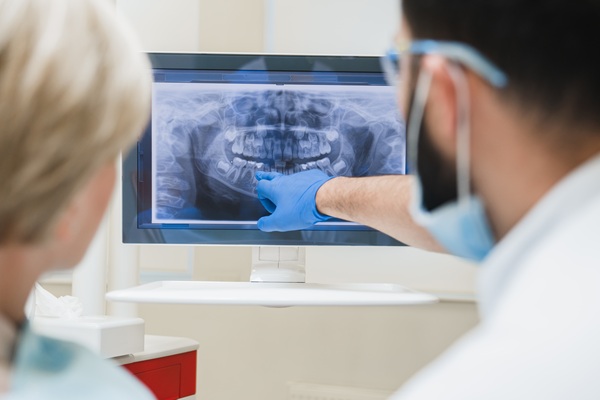
Dentists usually assess wisdom teeth using a clinical exam and dental X-rays. This helps determine the position of the tooth, whether it is causing issues, and if monitoring or removal is recommended.