
Cracked Tooth: Symptoms, Types, Treatment Options and When It’s Urgent
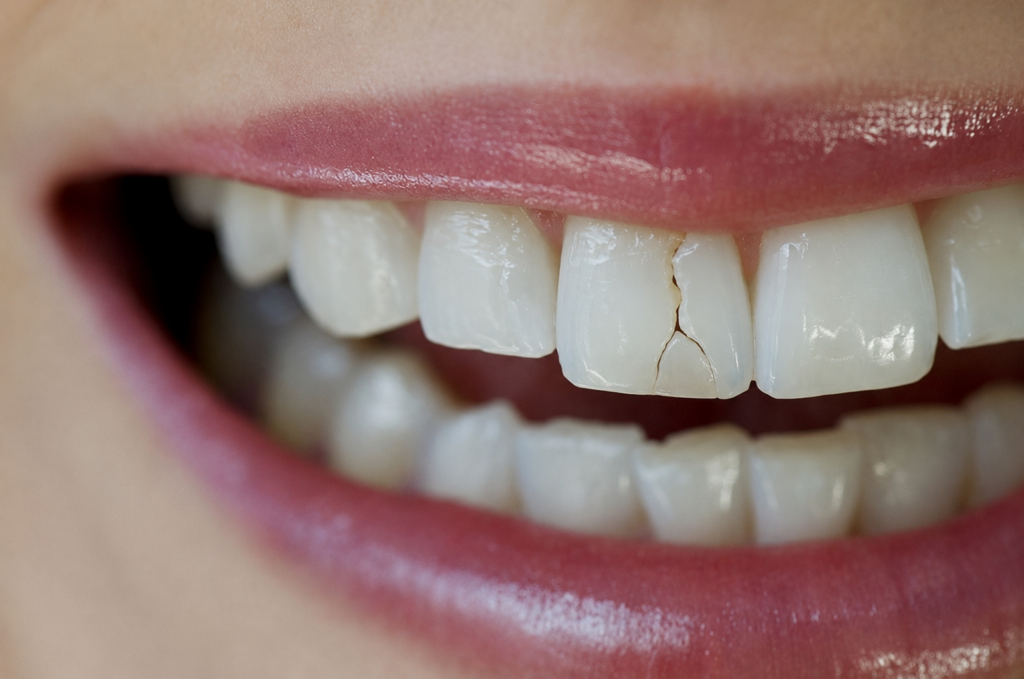
You bite into something and feel a quick, sharp zing of pain, then it’s gone, as if it never happened. It’s confusing, a little unsettling, and easy to brush off.
But this kind of on-and-off discomfort is actually one of the classic signs of a cracked tooth, and it’s more common than most people realise. Let’s talk about what’s really going on, the different types of cracks, and how to tell whether yours can wait for a routine check-up or needs attention sooner.
What Is a Cracked Tooth?
A cracked tooth is exactly what it sounds like: a fracture line running through the tooth’s structure, sometimes so fine it’s invisible to the naked eye. Cracks can start in the outer enamel or run deeper into the dentine (the softer layer beneath enamel) and, in more advanced cases, reach the tooth’s nerve.
This condition can be a major diagnostic challenge, largely because its symptoms can be varied and easy to mistake for other dental issues. That’s why cracked tooth pain can feel so hard to pin down; you might feel it when chewing on one side, then nothing for days.
Cracked Tooth Symptoms
Cracked tooth symptoms tend to be inconsistent, which is part of what makes this condition tricky to self-diagnose. Common signs include:
- Sharp pain when biting down, especially on release rather than during the bite itself
- Sensitivity to hot, cold, or sweet foods that comes and goes
- Discomfort that’s difficult to pinpoint to one specific tooth
- Mild, intermittent ache rather than constant pain
If you’re wondering whether your tooth cracked in half with no pain, it’s worth noting that not all cracks cause discomfort straight away. Some may even remain silent until they progress further.
If you suspect any of these symptoms, a dental examination is the only reliable way to confirm what’s happening.
Types of Cracks: From Craze Lines to Split Tooth
Not all cracks are the same, and the treatment path depends heavily on which type you’re dealing with:
- Craze lines – Very fine, shallow cracks in the enamel only. These are extremely common and usually cause no pain or sensitivity.
- Fractured cusp – A break in one of the pointed edges of a tooth, often around an existing filling. This type doesn’t usually affect the nerve.
- Cracked tooth syndrome – An incomplete crack extending from the chewing surface, which may cause the intermittent pain described above.
- Split tooth – A crack that has progressed enough to separate the tooth into distinct segments. This is more serious and often can’t be saved as a whole.
- Vertical root fracture – A crack starting below the gumline, often only discovered once the tooth is already sensitive or infected.
What Causes a Cracked Tooth?
A cracked tooth can develop for all sorts of reasons: sometimes from a single incident, sometimes from wear that builds up over years. Common causes include:
- Biting down on hard foods – Ice, nuts, boiled lollies, and even popcorn kernels can fracture a tooth in one bite
- Teeth grinding (bruxism) – Ongoing clenching and grinding places repeated stress on the tooth
- Large or ageing fillings – These can weaken the surrounding tooth structure over time
- Sudden temperature changes – Going from very hot to very cold in the mouth can cause enamel to expand and contract
- Age and general wear – Cracks become more common as teeth accumulate wear over the years
It’s also worth knowing that a cracked tooth often presents with diverse symptoms and can be challenging to diagnose. So, even if you can’t identify an obvious cause, that doesn’t mean nothing’s there.
Cracked Tooth vs Split Tooth: What’s the Difference?
These terms are sometimes used interchangeably, but they describe different stages of the same problem.
A cracked tooth still has its structure intact, even if a fracture line runs through it. This is sometimes still treatable with a crown or similar restoration, depending on the condition of the tooth.
On the other hand, a split tooth has already separated into segments, which usually means part or all of the tooth can no longer be saved. This is why early attention matters because catching a crack before it progresses gives you more options.
Is a Cracked Tooth a Dental Emergency?
Not every cracked tooth needs same-day attention, but certain signs suggest you shouldn’t wait for a routine appointment:
- Sudden, severe pain that doesn’t settle
- Visible fracture with a piece of tooth missing
- Swelling in the gum or face around the affected tooth
- A crack following an injury or accident
If any of these apply to you and you’re in Brentwood, WA, our emergency dental service at Blue Gum Dental is here to help you get seen as quickly as possible. For less urgent but persistent symptoms, it’s still worth booking in sooner rather than later. Remember that cracks tend to worsen with time and continued biting pressure.
Treatment Options
Treatment depends on the type and extent of the crack. Options range from a simple bonding or filling for minor cracks, through to a crown to protect and hold the tooth together for more established cracks, or root canal treatment if the crack has reached the nerve. In cases where the tooth has split, extraction may be the only viable option.
Your dentist can advise on the most suitable path once the crack has been properly assessed.
Does a Cracked Tooth Need to Be Pulled?
Not necessarily. Many cracked teeth can be preserved with the right restorative treatment, particularly when the crack is caught early.
Early diagnosis has been linked with more successful management and a better outlook for the tooth, which is one of the main reasons dentists encourage patients not to ignore intermittent biting pain. Extraction tends to be reserved for cases where the crack has extended below the gumline or split the tooth into separate pieces.
Don’t Let a Small Crack Turn Into a Bigger Problem
A cracked tooth can be tricky to spot, as the pain comes and goes, the cause isn’t always obvious, and it’s tempting to wait and see. But cracks tend to progress over time, and the type of crack you have makes a real difference to how it’s treated.
Catching it early, whether it’s a minor craze line or something reaching the nerve, generally means more options and a more comfortable path forward.
If that on-and-off biting pain sounds familiar, or you experienced sudden severe pain that doesn’t settle, an emergency dental appointment will likely help out. Our team at Blue Gum Dental is here to assess what’s going on and walk you through your options at a pace that suits you.
Book a consultation with us today.
Frequently Asked Questions
How do I know if my tooth is cracked?
The most telling sign is sharp pain when biting down that eases once you release the bite, sometimes alongside sensitivity to hot or cold. Because cracks can be hard to see, a dental examination is the most reliable way to confirm one.
Can a cracked tooth heal on its own?
No. Unlike the bone, tooth structure can’t repair itself. A crack won’t heal, and it typically worsens over time with ongoing biting pressure, so professional treatment is needed to manage it.
Does a cracked tooth always need a root canal?
Not always. It depends on whether the crack has reached the tooth’s nerve or not yet. Many cracks can be managed with a filling, bonding, or a crown alone. For better assessment, make sure to visit a dentist right away.
What happens if a cracked tooth is left untreated?
When left untreated, a crack can deepen over time, potentially leading to infection, nerve damage, or the tooth splitting entirely. Early treatment generally offers more options for saving the tooth.