
Tooth Extraction Aftercare: A Complete Guide to Healing Safely at Home
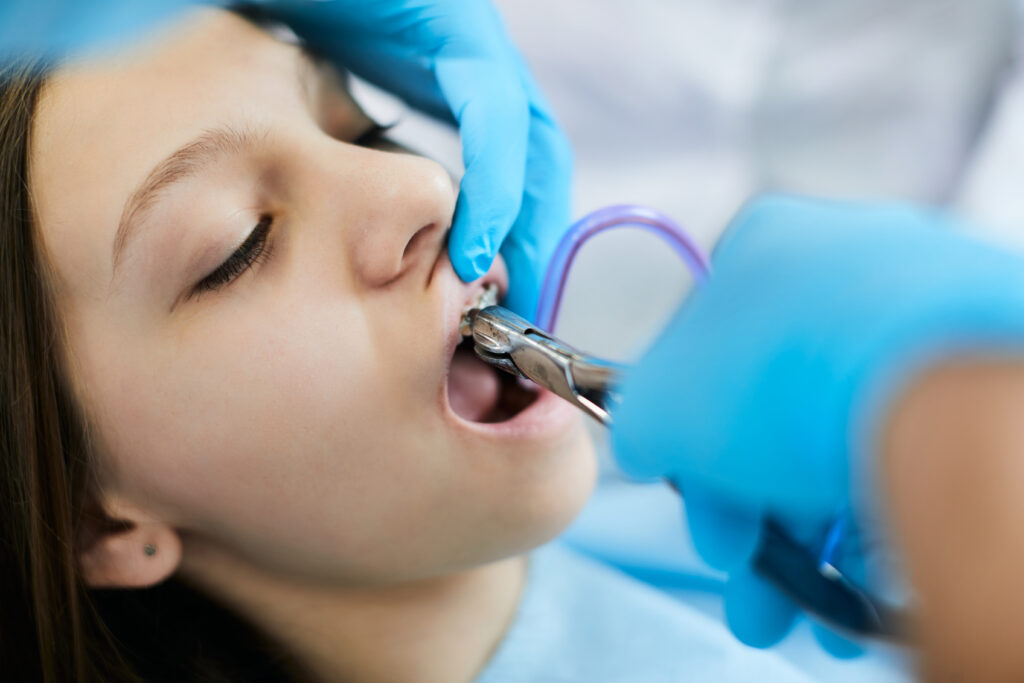
Whatever the reason for your extraction, the first few days afterwards matter just as much as the procedure itself. Good aftercare protects the healing site, reduces your risk of complications, and helps you feel comfortable again sooner.
This guide walks through exactly what to expect and do, from the moment you leave the dental chair through to full healing.
The First 24 Hours: Protecting the Blood Clot
Right after your tooth extraction, a blood clot forms in the socket at the extraction site. This clot is essential because it protects the bone and nerves underneath while healing begins.
Your dentist will ask you to bite down on gauze to help control bleeding, and some light bleeding is completely normal in the hours that follow. A few things to keep in mind during this window:
- Change your gauze as directed, biting down firmly to apply steady pressure
- Avoid spitting or rinsing forcefully, as this can dislodge the clot
- Keep your head elevated, even while resting
- Avoid touching the area with your tongue or fingers
Managing Pain and Swelling
Some discomfort and swelling are expected after any extraction, which is normal and will eventually settle down after a few days. Your dentist may also recommend over-the-counter pain relief, and an ice pack can help with both pain and swelling in the first day or so.
For swelling specifically, you can try these tips:
- Apply an ice pack to the outside of your cheek for 20 minutes at a time, several times in the first 24–48 hours
- Swelling typically peaks around 36 to 48 hours after surgery and then gradually improves
- Some bruising as the swelling goes down is normal
- Switching to a warm compress after the first two days can ease any lingering jaw stiffness
Tooth Extraction Gum Healing Stages
Understanding the general healing timeline can help you know what’s normal at each point:
- Day 1–2 – The blood clot stabilises; some oozing and swelling is expected
- Day 3–5 – Swelling begins to reduce; the socket may look pale or whitish, which is a normal part of healing rather than a sign of infection
- Week 1–2 – The surface wound generally finishes healing within about two weeks
- Weeks 3–4 and beyond – New tissue continues filling in underneath the surface
- Months following – The underlying bone continues remodelling well after the visible gum tissue looks healed
So, how long does a tooth extraction take to heal?
The surface generally settles within a couple of weeks, though full bone healing underneath takes considerably longer, which is why your dentist may ask you to wait before certain follow-up treatments.
What to Eat After a Tooth Extraction
Sticking to soft foods and chewing on the opposite side of your mouth helps protect the extraction site while it heals. Good options in the first few days include:
- Soups, mashed potato, and well-cooked pasta
- Yoghurt, smoothies (eaten with a spoon, not a straw), and scrambled eggs
- Soft fruits like banana or stewed apple
Avoid hot, spicy, crunchy, or hard foods until the area feels more settled, and gradually reintroduce your normal diet as healing progresses.
Oral Hygiene: Keeping the Area Clean
Good hygiene supports healing, but it needs to be gentle around the extraction site. A salt water rinse after tooth extraction is one of the simplest ways to help keep the area clean, typically starting a day or so after the procedure, rather than immediately, since vigorous rinsing too early can disturb the healing clot.
Beyond that:
- Continue brushing your other teeth as normal
- Brush gently near the extraction site, avoiding direct contact at first
- Ask your dentist when it’s safe to resume flossing near the area
What to Avoid While Healing
A few habits can genuinely slow healing or increase your risk of complications:
- Smoking – If you’re a smoker and you wonder “can I smoke after tooth extraction?” It’s best to avoid it for as long as your dentist recommends, as smoking is strongly linked to delayed healing and a higher risk of dry socket
- Straws – The suction can dislodge the blood clot
- Vigorous rinsing or spitting – Especially in the first 24 hours
- Strenuous exercise – Best avoided for a day or two, as it can increase bleeding and swelling
Wisdom Tooth Removal Recovery: Is It Different?
Wisdom tooth removal recovery generally follows the same principles above, though it can take a little longer, particularly for impacted teeth requiring a more involved surgical approach.
If you’re specifically after a wisdom tooth removal recovery timeline or more detail on what to expect, our guide on wisdom tooth extraction preparation, procedure and aftercare covers this in more depth.
How Do I Know If I Have a Dry Socket?
Occasionally, the protective blood clot is lost before healing is complete, leading to a painful condition called dry socket. The main things to watch for are:
- pain that worsens a few days after extraction rather than improving
- an empty-looking socket
- a noticeable bad taste or odour
If this sounds familiar, it’s worth contacting your dentist promptly rather than waiting it out.
When to Call Your Dentist
Most recoveries progress smoothly, but it’s worth reaching out to your dentist if you notice:
- Bleeding that doesn’t settle after applying steady pressure
- Pain that worsens rather than improves after the first few days
- Fever, or swelling that continues to increase
- A bad taste or odour that doesn’t resolve
Healing Well After Your Extraction
Recovery after a tooth extraction is usually straightforward when you know what to expect and follow a few sensible precautions. Protecting the blood clot, eating soft foods, and easing back into your normal routine all help your mouth heal comfortably.
If you are considering getting a wisdom tooth removal or just a tooth removal, our team at Blue Gum Dental will be here to help you understand your situation and guide you through your recovery. We cater to patients in and near Brentwood, WA.
Book a consultation with us today to talk to our dentists.
Frequently Asked Questions
How long does it take for a tooth extraction to heal?
The surface of the gum typically heals within about two weeks, though the underlying bone continues to heal and remodel for several months afterwards.
When can I stop worrying about dry socket?
Dry socket most commonly develops within the first few days after extraction. Once you’re past the first week without symptoms, the risk drops significantly.
Can I brush my teeth normally after a tooth extraction?
You can continue brushing your other teeth as normal, but it’s best to be gentle around the extraction site itself for the first few days while it heals.
What foods should I avoid after a tooth extraction?
Avoid hot, spicy, crunchy, or hard foods in the first few days, along with anything that requires a straw, as suction can disturb the healing blood clot.