
Brown Staining on Teeth: What Causes It and How to Get Rid of It
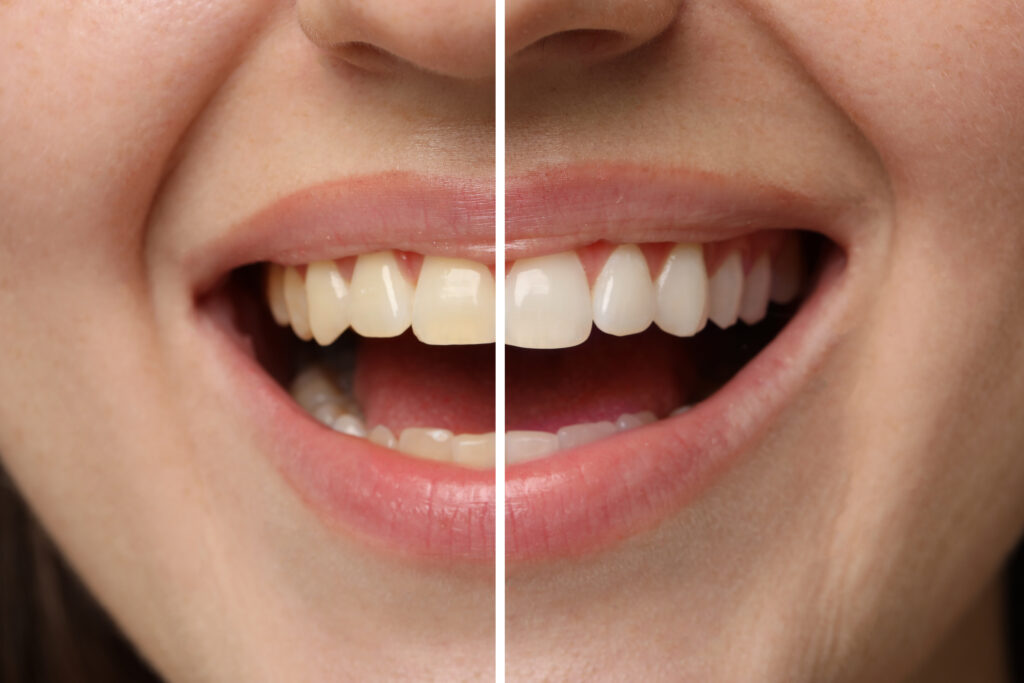
Brown staining on teeth are common, and they can show up for all sorts of reasons. Some may be harmless, while some are worth a dentist’s attention. Whether it’s years of coffee and tea, tartar building up near the gum line, or something more localised, there’s usually a clear explanation once you know what to look for.
This article walks through what typically causes brown staining, when it’s worth a closer look, and the treatment options that can help.
Extrinsic vs Intrinsic: The Two Types of Tooth Staining
Tooth discolouration generally falls into one of two categories, and knowing the difference matters for treatment:
- Extrinsic staining – sits on the outer surface of the tooth, usually caused by what you eat, drink, or smoke
- Intrinsic discolouration – develops deeper within the tooth structure, often harder to shift with surface-level treatments
Extrinsic stains are usually the easier of the two to manage, since they respond well to professional cleaning or whitening. Intrinsic staining tends to need a different approach altogether, which your dentist can talk you through once the cause is clear.
Common Causes of Brown Staining on Teeth
Most brown staining comes down to a handful of everyday factors:
- Coffee and tea – both contain tannins, a pigment-producing compound that gradually builds up on enamel over time
- Tobacco use – smoking or chewing tobacco is one of the most common causes of stubborn, deep-set brown staining
- Red wine and dark sauces – rich in the same staining compounds as coffee and tea
- Chlorhexidine-based mouthwash – a known side effect of longer-term use, particularly with prescription-strength rinses
- Plaque and tartar buildup – especially in spots where brushing tends to miss
The Australian Dental Association notes that stains like these are commonly caused by tea, coffee, red wine, and smoking, and can often be managed with good oral hygiene, a professional clean, or a whitening treatment.
Diet and lifestyle habits are by far the most common explanation, which is why brown staining tends to build up gradually rather than appear overnight. If you’d like a fuller rundown of specific culprits, our earlier post on foods and drinks to avoid for whiter teeth goes into more detail.
Why Are My Teeth Turning Brown at the Gum Line?
Staining right along the gum line is often related to plaque and tartar, which naturally tend to accumulate in that area. Tartar can range in colour from yellow through to brown, and once it hardens, it’s no longer something a toothbrush can remove on its own.
This is one of the main reasons regular professional cleans matter, even for people who brush and floss consistently.
That said, discolouration near the gum line can occasionally point to other causes, including early gum disease or decay. It’s worth having it checked rather than assuming it’s just tartar, particularly if the area also looks swollen or feels tender.
When Sudden Brown Stains Are Worth a Closer Look
Gradual staining from coffee or tea is one thing, but sudden brown stains on teeth are worth paying closer attention to. A localised brown spot that appears quickly, especially if it’s confined to one tooth rather than spread across several, can sometimes be related to early decay.
Dental practitioners are best placed to diagnose the reason behind tooth discolouration, so if you notice a stain appearing suddenly, or a spot that seems to be growing, it’s a good idea to book a check-up rather than wait and see. Catching changes early generally means simpler, more conservative treatment.
Fluorosis: A Less Common Cause
Fluorosis is a less common cause of tooth discolouration, and it only affects teeth while they’re still developing. It happens when a child consumes more fluoride than needed while their adult teeth are forming underneath the gums.
This typically shows up as fine, pearly-white mottling or flecking on the tooth surface, though in some cases it can affect how a tooth looks more broadly. It isn’t something that develops in adult teeth once they’ve fully formed, and your dentist can advise whether it’s a relevant factor for you or your child.
Can You Remove Brown Stains at Home?
There are a few sensible habits that can help manage mild surface staining before it builds up further:
- Brushing twice daily with a fluoride toothpaste
- Using a whitening toothpaste for light surface stains
- Rinsing your mouth with water after coffee, tea, or red wine
- Cutting back on tobacco use
- Flossing daily to reach the areas a toothbrush can miss
You may have come across baking soda as a home remedy for brown stains, but it’s worth being cautious here. Baking soda is abrasive, and using it regularly can wear down enamel over time rather than genuinely lift staining.
It’s generally better to stick to standard oral hygiene products and speak with your dentist about options suited to your teeth.
Professional Treatment Options
For staining that doesn’t respond to home care, a dentist has a few more effective options available:
- Professional cleaning – removes plaque, tartar, and surface stains that brushing alone can’t reach
- Teeth whitening – effective for many types of extrinsic staining, and often the first option considered for stained or yellowed teeth, though results vary depending on the underlying cause
- Cosmetic options – for intrinsic discolouration that doesn’t respond to whitening, your dentist may discuss alternatives such as veneers or composite bonding
If you’re curious whether whitening is likely to work for your particular staining, our post on whether yellow or stained teeth can be whitened covers this in more depth. A thorough assessment helps determine which category your staining falls into, since extrinsic and intrinsic stains often call for quite different approaches.
Getting Your Smile Back on Track
Brown staining is common, and in most cases, very manageable once you understand what’s behind it. Whether it’s everyday habits like coffee and tea, tartar near the gum line, or something worth a closer look, a dental check-up is always the best starting point.
If you’ve noticed brown stains or spots on your teeth and want to explore your options for teeth whitening, our team at Blue Gum Dental is here to give you guidance on which treatment is right for you.
Book a consultation with us if you’re ever in or around Brentwood, WA.
Frequently Asked Questions
What causes brown stains on teeth?
Common causes include coffee, tea, tobacco, red wine, and plaque or tartar buildup. Less commonly, brown staining can relate to early decay or fluorosis, which a dentist can help identify.
Can I remove brown stains from my teeth naturally?
Good oral hygiene, rinsing after staining foods and drinks, and using a whitening toothpaste can help with mild surface staining. For more stubborn stains, a professional clean or whitening treatment is usually more effective.
Does baking soda remove brown stains from teeth?
Baking soda is abrasive, so while it’s sometimes suggested as a home remedy, regular use can wear down enamel over time. It’s best to speak with your dentist about safer options for removing surface stains.
Should I be worried about sudden brown stains on my teeth?
A stain that appears suddenly, particularly on just one tooth, is worth having checked by your dentist, as it can occasionally be a sign of early decay.