
Mouth Ulcers After Dental Treatment: What’s Normal and When to See Your Dentist
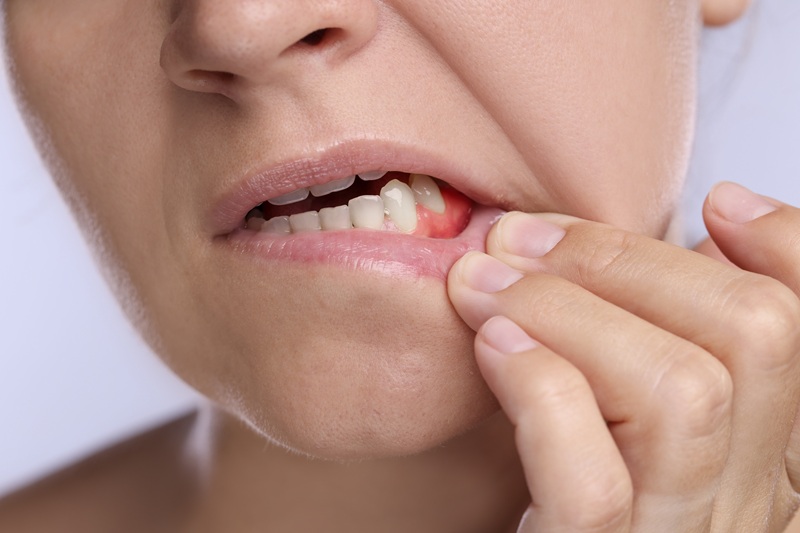
Mouth ulcers are small, shallow sores that form on the soft tissue inside your mouth, including the cheeks, lips, tongue, or gums. They’re very common, and one cause that often catches people by surprise is dental treatment itself. Sometimes, it’s not unusual to notice a sore after a filling, clean, or extraction, and there are some very ordinary reasons why.
In this article, we’ll look at why ulcers appear after dental work, how long they usually take to heal, how to ease the discomfort at home, and when it’s worth seeing your dentist.
Why Do Mouth Ulcers Appear After Dental Treatment?
It might feel strange to develop a sore right after a visit meant to help your teeth, but there are some very ordinary reasons behind it.
Dental work involves instruments, retractors, and sometimes a fair while with your mouth held open, and the soft tissue inside your cheeks and lips can get bumped or stretched along the way. This is known as a traumatic ulcer in the oral cavity, essentially a sore caused by minor physical irritation rather than illness.
A few common culprits include:
- Minor knocks during treatment – Instruments or even the edge of a new filling can rub against nearby soft tissue.
- Accidental cheek or lip biting – After a numbing injection, it’s easy to bite your cheek without feeling it, and a canker sore from cheek biting is a frequent result while the anaesthetic wears off.
- A local anaesthetic reaction – Occasionally, the injection site itself feels tender, and a local anaesthetic reaction mouth sore may appear where the needle went in.
- Irritation near a wisdom tooth – A sore near an erupting or recently treated wisdom tooth is common; treatment for a mouth ulcer near a wisdom tooth is usually the same gentle care as for any other ulcer.
What’s Normal After Dental Work?
A little tenderness after treatment is expected. If you’re wondering how long your mouth should be sore after a filling, mild sensitivity for a few days is typical, and any small ulcer that forms should begin settling within a similar window. A mouth sore after a tooth extraction usually eases as the area heals, too.
As a general guide, most mouth ulcers heal on their own within one to two weeks without any special treatment.
So how long do mouth ulcers take to heal overall? For the common, minor kind, one to two weeks is the usual timeframe, though larger or deeper sores can occasionally take a little longer.
Other Common Causes of Mouth Ulcers
Not every ulcer is caused by your dental visit, but sometimes the timing is just coincidental. It’s worth knowing the other things that can bring one on, so you can tell the difference:
- Stress – A well-known trigger; a stress ulcer in the mouth often appears during busy, run-down, or anxious periods.
- Viral infections – Children in particular can develop hand, foot and mouth ulcers as part of a common childhood virus, which has nothing to do with dental care.
- Nutritional factors – Low levels of iron, vitamin B12, or folate can make ulcers more likely.
- Hormonal changes – Some people notice ulcers at certain points in their cycle.
The exact cause of mouth ulcers is not fully understood, but factors such as stress, hormonal changes, and mouth injuries can all make them more likely.
Mouth Ulcer or Dry Socket? Knowing the Difference
If you’ve recently had a tooth pulled out, you might worry a sore means something’s gone wrong. It helps to understand mouth ulcer vs dry socket symptoms.
A mouth ulcer is a small, shallow sore on the soft tissue, like the cheek, lip, or tongue. A dry socket, on the other hand, involves the extraction site itself, typically bringing a deeper, throbbing ache a few days after the tooth is removed, often with a bad taste or odour.
If your discomfort is coming from the socket rather than the surrounding tissue, it’s worth calling your dentist to have it checked and treated.
How to Deal With Mouth Ulcers at Home
Many people want to know how to get rid of mouth ulcers fast. The honest answer is that there’s no instant fix because ulcers need a little time to heal.
However, you can certainly ease the discomfort while they do. When it comes to how to deal with mouth ulcers day to day, a few simple ulcer in mouth treatment steps go a long way:
- Rinse gently with warm salt water a few times a day
- Try an over-the-counter numbing gel to take the edge off, especially before eating
- Avoid spicy, salty, acidic, or crunchy foods that can sting
- Stick to soft, cool foods while the sore settles
- Keep brushing gently with a soft-bristled toothbrush, taking care around the area
- Try not to touch or poke at the ulcer
Numbing gels and saltwater rinses can help relieve symptoms and reduce the chance of infection, even though they won’t dramatically speed up healing.
When to See Your Dentist
Most ulcers clear up on their own, but some are worth a professional look. Knowing when to see a dentist about a mouth ulcer comes down to a few simple signs. It’s a good idea to book in if:
- You have a mouth ulcer that won’t heal after two weeks
- The sore is unusually large, or keeps coming back
- You’re in significant pain or struggling to eat and drink
- You notice other symptoms alongside it
If a mouth ulcer lasts longer than two weeks or keeps returning, it’s worth having it checked, as a persistent sore can occasionally point to something that needs closer attention. This isn’t cause for alarm, but simply about being thorough about your treatment.
If you’re in Brentwood, WA, our general dentistry team at Blue Gum Dental can take a look and set your mind at ease.
A Little Patience Goes a Long Way
A mouth ulcer after dental treatment is usually just your mouth recovering from a bit of everyday irritation, and most settle down within a couple of weeks with some gentle care at home. Knowing what’s normal and what’s worth a second look takes a lot of the worry out of it.
If you’ve got a sore that’s lingering, painful, or simply not behaving the way you’d expect, there’s no harm in having it checked. A general dentistry service can make a difference to how you feel. Our friendly team at Blue Gum Dental is always happy to take a look and help you feel comfortable again.
Book an appointment with us today.
Frequently Asked Questions
How long do mouth ulcers take to heal?
Most minor mouth ulcers heal on their own within one to two weeks. Larger or deeper sores can take a little longer, but if one hasn’t healed after two weeks, it’s worth seeing your dentist.
Is it normal to get a mouth ulcer after a filling or extraction?
Yes. Minor trauma from dental instruments, a new filling rubbing against soft tissue, or accidentally biting your cheek while numb can all cause an ulcer. These usually heal within a couple of weeks.
How can I ease the pain of a mouth ulcer?
Warm salt-water rinses, an over-the-counter numbing gel, and sticking to soft, non-spicy foods can all help. Try not to touch the ulcer, and keep brushing gently with a soft toothbrush.
When should I worry about a mouth ulcer?
See your dentist if an ulcer lasts longer than two weeks, is unusually large, keeps recurring, or comes with other symptoms. Most ulcers are harmless, but a persistent one should always be checked.