
Do I Need Teeth Removed for Braces? When Extractions Are Considered
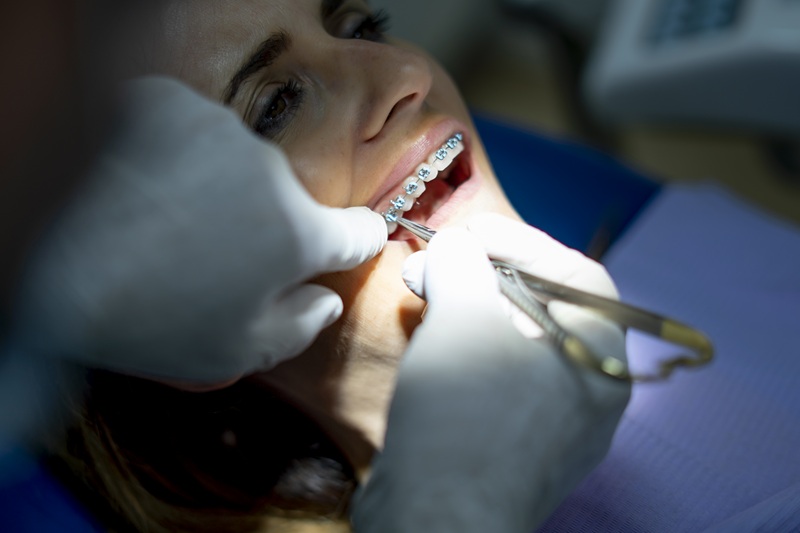
If you’ve been told you might need teeth removed before starting braces, your first reaction was probably something along the lines of: really? Do I actually need that?
It’s one of the most common questions people have when they are looking into orthodontic treatment. The idea of removing perfectly healthy teeth can feel counterintuitive. Why take teeth out to straighten the ones that are left?
The honest answer is: sometimes it’s genuinely necessary, and sometimes it’s not. It all comes down to what’s happening in your mouth specifically. Let’s take a look at what goes into that decision.
Why Extractions Are Sometimes Part of Orthodontic Treatment
Braces work by gradually moving teeth into better positions. But for that movement to happen effectively, there needs to be enough space. When teeth are too crowded, meaning there simply is not enough room in the jaw for all of them to sit properly, creating that space is a necessary first step.
In some cases, that space can be created without removing teeth. In others, extraction is the most reliable way to achieve a stable, lasting result. Your dentist or orthodontist will assess your specific situation before recommending either path.
When Tooth Extraction for Braces Is Recommended
Here are a few scenarios where tooth extraction for braces is recommended by your dentist.
Crowding is significant
If your teeth are heavily overlapping or rotated and there is not enough room in the arch to align them, even with expansion, removing one or more teeth can give the remaining teeth the space they need to move into their position.
The bite needs correction
Some patients have an overbite, underbite, or protruding front teeth where the upper and lower jaws don’t align well. In these cases, removing teeth can allow the front teeth to move back and the bite to correct properly.
One arch is more crowded than the other
If the upper and lower arches are significantly different in size or crowding, selective extraction helps balance the treatment and achieve a better overall result.
There are extra teeth
Occasionally, people have supernumerary (extra) teeth that are blocking normal alignment. These are usually removed as part of treatment planning.
The most commonly extracted teeth for orthodontic purposes are the premolars, which are the teeth sitting between your canines and molars. They are often chosen because their removal tends to create the most useful space without affecting chewing function or changing the appearance of your smile significantly.
Your dentist may provide further guidance on the most effective tooth to be extracted.
When Extraction Is Not Necessary
Not everyone who gets braces needs teeth removed, not by a long shot. Many cases of mild to moderate crowding can be treated without extraction using other approaches:
Palatal expanders widen the upper jaw to create more space, particularly useful in younger patients whose jaw bones are still developing.
Interproximal reduction (IPR) involves very carefully reshaping small amounts of enamel between teeth to create a few millimetres of space, enough to resolve mild crowding without extraction.
Arch expansion uses the braces themselves to gradually widen the arch and create space over time.
Braces combined with clear aligners — in some cases a hybrid approach may be recommended. If you’re weighing up your options on orthodontic treatments, our blogs ClearCorrect vs. Traditional Braces and The Benefits of ClearCorrect Aligners for Adults are a helpful starting point for understanding how different orthodontic approaches compare.
What About Wisdom Teeth?
Wisdom teeth are a separate consideration.
Your dentist or orthodontist may recommend removing wisdom teeth before or during braces treatment. Not necessarily to create space for alignment, but to prevent them from exerting pressure on the teeth once treatment is complete and disrupting the final result.
Whether wisdom teeth need to come out will depend on whether they are likely to erupt, how much space is available, and how your treatment is progressing overall.
How Is the Decision Made?
No reputable dentist or orthodontist recommends extractions lightly. The decision is based on a thorough assessment that typically includes:
- Clinical examination of your teeth and bite
- Dental X-rays and, in some cases, 3D imaging
- Study models or digital scans of your teeth
- Analysis of your facial profile and jaw structure
All of this feeds into a treatment plan that’s specific to you, not a one-size-fits-all protocol. As we explored in How Can Braces Support Long-Term Oral Health, orthodontic treatment planning is about far more than aesthetics. It’s about creating a bite and alignment that works well for your teeth, gums, and jaw over the long term.
A Straighter Smile Starts With the Right Advice
Whether or not extractions end up being part of your treatment, the most important thing is getting a proper assessment from a dentist who takes the time to understand your individual situation and explains every step of the plan clearly.
If you’re considering getting dental braces, make sure to get proper advice from a qualified dentist or orthodontist. In Brentwood, WA, you can ask for assistance and guidance from our dentists at Blue Gum Dental. We’ll walk you through exactly what your teeth need, what your options are, and what you can expect at every stage.
Book a consultation with us today!
Frequently Asked Questions
Will removing teeth for braces change the way my face looks?
This is a common concern, and it’s worth addressing directly. When extractions are carried out as part of carefully planned orthodontic treatment, any changes to facial appearance are typically minimal. In many cases, correcting the bite and aligning the teeth can actually improve facial balance. Your dentist will consider your facial profile as part of the treatment plan.
How long does recovery take after having teeth removed for braces?
Most people recover from a straightforward extraction within a few days. Your dentist will give you specific aftercare instructions to follow. Braces placement typically happens after the extraction site has healed.
Your dentist will advise more on timing based on your individual case.
What if I don’t want extractions — can I still get braces?
Yes, in many cases. If your crowding is mild to moderate, there may be non-extraction options available. However, if your dentist sees that your teeth need extraction, you may need to ask for more information from them.
The key is having an honest conversation with your dentist about what’s achievable without extraction versus what the trade-offs might be. Some cases simply will not achieve a stable, well-functioning result without creating adequate space first.
At what age is orthodontic treatment usually recommended?
Orthodontic treatment can be carried out at almost any age, though it’s often more efficient in younger patients whose jaws are still growing. Early assessment allows your dentist to identify any developing issues and plan ahead. That said, adult orthodontics is also still increasingly common and very effective.