
The Role of Professional Cleanings in Preventive Care
Most people know they should visit the dentist regularly. But when life gets busy, the six-monthly check-up and clean is often one of the first things to get pushed back, especially when you feel your teeth are fine and you don’t see anything wrong.
Here’s the thing: that’s exactly when preventive dental care is working. And professional teeth cleaning is at the very heart of it.
Far from being a simple polish, a professional dental cleaning does things that no amount of careful brushing and flossing at home can fully replicate. Understanding what actually happens during a clean and why it matters so much makes it a lot easier to prioritise.
What Is a Professional Dental Cleaning?
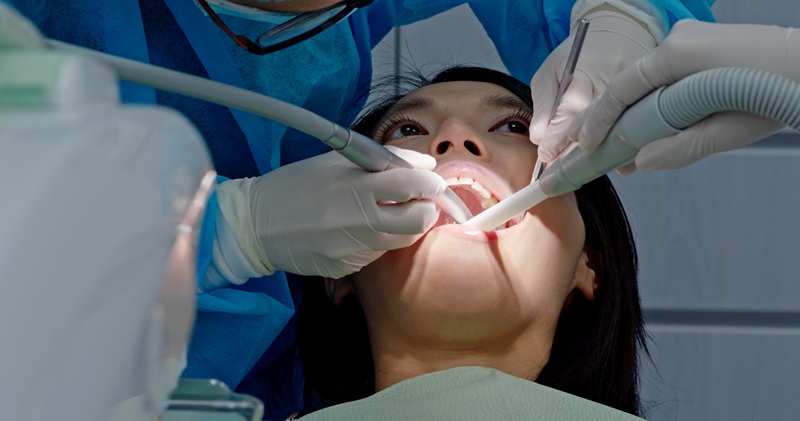
A professional dental cleaning, also known as a scale and clean or prophylaxis, is a procedure performed by a dentist or oral health therapist to remove plaque and tartar buildup from the teeth and gum line. It typically forms part of a routine dental check-up and clean appointment.
Here’s what the process generally involves:
Scaling: Using specialised hand instruments and an ultrasonic scaler, the clinician removes hardened tartar (calculus) from the tooth surfaces, including below the gum line, where your toothbrush simply cannot reach. Tartar is calcified plaque, and once plaque hardens, it can no longer be removed by brushing alone.
Polishing: After scaling, the teeth are polished using a mildly abrasive paste and a rotating brush or rubber cup. This removes surface staining and leaves the tooth surface smooth, making it harder for plaque to adhere.
Flossing: Professional flossing ensures the spaces between teeth are thoroughly cleaned, and any remaining debris is cleared.
Fluoride treatment: Some appointments include the application of fluoride, which helps strengthen enamel and protect against decay.
Why Home Care Is Not Enough on Its Own
Brushing twice a day and flossing daily are essential, but they have limits. No matter how thorough your technique, there are areas in the mouth that are consistently difficult to reach, like the back surfaces of wisdom teeth, the gum line, the spaces between teeth, and any areas where teeth are crowded or overlapping.
Plaque that is not fully removed hardens into tartar within 24 to 72 hours. Once it hardens, it bonds to the tooth surface and can only be removed by a dental professional with the right instruments.
This is why even the most diligent home care routine benefits from professional support at regular intervals.
As we explored in our blog on Early Detection & Intervention for Catching Dental Issues, the combination of good daily habits and professional care is the most reliable foundation for long-term oral health.
How Professional Cleanings Protect Your Oral Health
Regular professional cleanings are not just about keeping your teeth looking good. They play a direct role in preventing some of the most common and serious dental conditions.
Gum disease prevention: Tartar buildup along the gum line is the primary driver of gingivitis and periodontitis (a more advanced case of gingivitis). A professional clean removes this buildup before it can trigger or worsen gum inflammation.
If you’ve noticed any bleeding when you brush, our blog Are Bleeding Gums Normal? is worth a read. It’s actually one of the earliest signs that plaque is accumulating at the gum line.
Tooth decay prevention: By removing plaque and tartar from all tooth surfaces, professional cleanings significantly reduce the environment in which decay-causing bacteria thrive. This is particularly important for the grooves and fissures of the back molars, which are especially prone to cavity formation.
Early detection of problems: Professional cleanings don’t happen in isolation. They are paired with a thorough examination where your dentist checks for early signs of decay, gum disease, worn fillings, cracked teeth, and even oral cancer. Problems identified early are almost always simpler, less invasive, and less expensive to treat.
Fresher breath: Persistent bad breath is often caused by bacterial buildup in areas that are not being adequately cleaned. A professional cleaning addresses this at the source.
A cleaner, brighter appearance: While a scale and clean is not a whitening treatment, removing surface staining and tartar does leave teeth looking noticeably cleaner and fresher.
How Often Should You Get a Professional Clean?
For most patients, a professional dental cleaning every six months is the standard recommendation.
However, the right frequency depends on your individual circumstances. Patients with a history of gum disease, those who are prone to tartar buildup, smokers, or people with certain health conditions may benefit from more frequent visits than just bi-annual cleanings.
Your dentist is best placed to advise on the schedule that suits your oral health needs. The important thing is not to wait until something hurts because by that point, preventive care has already given way to treatment.
A Simple Way to Maintain Your Teeth and Gums
A professional dental cleaning is one of the most straightforward, cost-effective things you can do to protect your teeth and gums for the long term. You will only have to sit in the dentist’s chair for an hour or less to achieve fresher breath, healthier gums, earlier detection of problems, and a cleaner smile.
The time you spend here may be more worthwhile than the time you will need when you may need more complex treatments.
If you’re looking for general dentistry services in Brentwood, WA, our team at Blue Gum Dental is here for patients in and around the area to ensure their teeth are given the attention they need to keep them healthy.
Book your appointment with us for your dental maintenance.
Frequently Asked Questions
Does a professional dental cleaning hurt?
For most patients, a professional clean is comfortable and straightforward. You may experience some sensitivity in areas with heavier tartar buildup or inflamed gums, but this is temporary and settles quickly.
If you have a history of sensitivity or dental anxiety, let your dentist or hygienist know beforehand. They can adjust their approach to keep you comfortable.
How is a professional cleaning different from brushing at home?
Brushing at home removes soft plaque from accessible tooth surfaces. A professional cleaning removes hardened tartar from all tooth surfaces, including below the gum line. It also includes polishing to remove surface stains and a thorough examination to check for developing problems.
Will a professional clean whiten my teeth?
A scale and clean removes surface staining and tartar, which can leave teeth looking noticeably cleaner and brighter, but it’s not a whitening treatment. If you’re interested in whitening, your dentist can discuss the options available to you at your appointment.
I brush and floss every day. Do I still need a professional clean?
Yes. Even excellent home care cannot reach every surface, and plaque that is not fully removed hardens into tartar within days. Regular professional cleanings ensure the areas your toothbrush misses are addressed before they become a problem.