
Are Silver Fillings Still Available and Safe? A Modern Overview
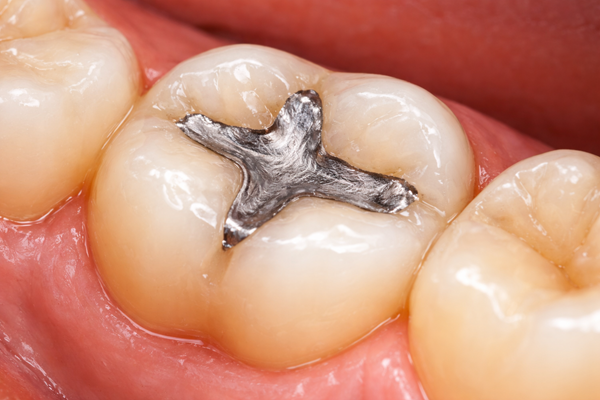
If you grew up in the 80s or 90s, chances are you have at least one silver filling sitting quietly at the back of your mouth. And if you’ve ever looked in the mirror mid-yawn and wondered, “Are those things actually safe?” You’re far from alone.
Silver fillings, more accurately known as amalgam fillings, have been used in dentistry for over 150 years. But with modern alternatives now widely available, and some countries beginning to phase them out, it’s a fair question to ask: where do things stand with silver dental fillings in 2026?
What Are Silver Fillings, Exactly?
Silver tooth fillings, or amalgam fillings, are made from a mixture of metals, including silver, tin, copper, and mercury. Yes, mercury. That word tends to raise eyebrows, and understandably so. But it’s worth understanding the science before jumping to conclusions.
The mercury in amalgam is bound together with the other metals to form a stable alloy. In this combined form, it behaves quite differently from pure liquid mercury or methylmercury (the form associated with environmental toxicity).
Are Silver Fillings Still Used in Australia?
The short answer is yes, though less commonly than before. Amalgam fillings are still a legal and approved dental filling material in Australia, and some dentists continue to use them in specific situations, particularly for back molars where durability under chewing pressure is a priority.
However, the Australian Dental Association (ADA) has aligned with global moves towards reducing amalgam use, particularly for children, pregnant women, and people with kidney conditions. The Minamata Convention on Mercury, an international environmental treaty, has prompted many countries, including those in the EU, to phase out or restrict amalgam use. Australia is progressively moving in the same direction.
In practice, most Australian dental clinics, including Blue Gum Dental, now use tooth-coloured composite resin as the default filling material for most patients.
Is the Mercury in Silver Fillings Dangerous?
This is the question most patients really want answered. Current evidence from health authorities, including the World Health Organisation (WHO) and the Australian Dental Association, indicates that amalgam fillings are considered safe for the general adult population. The amount of mercury vapour released from an existing amalgam filling is very small, well below levels considered harmful.
That said, there are specific groups for whom amalgam is now generally avoided:
- Pregnant women and those planning pregnancy
- Children under 15
- People with kidney disease or impaired kidney function
- Individuals with confirmed mercury allergies
If you fall into any of these categories, your dentist will recommend an alternative filling material. And if you have existing amalgam fillings and are not in a higher-risk group, the general guidance is that there’s no need to have them removed. Doing so can actually release more mercury vapour than simply leaving them in place.
What Are the Alternatives to Silver Fillings?
Modern dentistry offers several safe dental filling alternatives, each with its own strengths:
Composite resin (tooth-coloured fillings): The most widely used alternative. Made from a mixture of glass and plastic, composite resin bonds directly to the tooth structure, requires less drilling than amalgam, and blends seamlessly with natural teeth. It’s what most patients receive today.
Glass ionomer: A tooth-coloured material that releases fluoride over time, offering some additional protection against decay. Often used for smaller cavities or in areas with lower chewing stress.
Porcelain (ceramic) inlays and onlays: For larger restorations, porcelain offers excellent durability and a natural appearance. These are custom-made in a lab and bonded into place.
Gold alloy: Still used occasionally for back teeth where extreme durability is needed, though far less common due to cost and appearance.
Each dental filling material has its place, and the right choice depends on the location of the cavity, its size, and your individual circumstances.
If you’ve experienced sensitivity or discomfort around an existing filling, our blog Why Does My Dental Filling Hurt? walks through the most common causes and what to do about it.
Should You Replace Your Old Silver Fillings?
This is one of the most common questions patients with old amalgam fillings ask, and the answer is not always definite. Replacing a filling that’s still intact and functioning well is not generally recommended, as the removal process itself carries some risk of additional damage to the tooth and temporary mercury exposure.
However, there are good reasons to replace an amalgam filling when:
- It’s cracked, worn, or no longer sealing the tooth properly
- There’s new decay developing around or underneath it
- You’re in a higher-risk group (as outlined above)
- You simply prefer the look and feel of a tooth-coloured restoration
The decision should always be made in consultation with your dentist, based on a proper assessment.
Learn More About Your Filling Options
Whether you’re curious about an old silver filling, due for a check-up, or dealing with a new cavity, the most important thing is getting advice that’s tailored to your specific situation.
Learn more about your dental filling options in Brentwood, WA, with the help of our team from Blue Gum Dental. We take the time to explain your options clearly, so you always leave feeling informed and confident in your decisions. Patients in and around Brentwood, WA are always welcome to be catered at our clinic.
Contact us by booking an appointment with one of our dentists.
Frequently Asked Questions
How long do amalgam fillings last compared to composite?
Amalgam fillings are highly durable and can last 15 years or more. Composite resin fillings typically last 7 to 10 years, though this varies depending on the size of the filling, its location, and how well you maintain your oral hygiene.
Can I request a white filling instead of a silver one?
Absolutely. Composite resin (tooth-coloured) fillings are the standard at most clinics today, and you can always discuss your preference with your dentist before treatment begins.
Will removing my old amalgam fillings make me healthier?
There’s no strong evidence to suggest that removing intact amalgam fillings improves health outcomes in the general population. If you have concerns about your existing fillings, the best step is to discuss them with your dentist rather than proceeding with removal without a clinical reason.
Are white fillings as strong as silver fillings?
Modern composite resin has improved significantly in strength and durability. For most cavities, including those in back teeth, composite resin performs very well. For very large restorations under high chewing load, your dentist may discuss other options such as porcelain inlays.