
Common Dental Problems in Primary School Children and How to Prevent Them
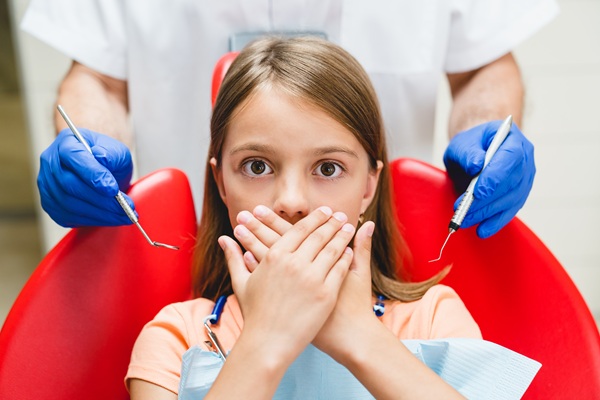
Starting school is a huge milestone. New friendships, new routines, and unfortunately, for many kids, a whole new set of habits that can affect their oral health. Between the lunchbox treats, the inconsistent brushing, and the occasional rough-and-tumble on the playground, primary school years are actually one of the most vulnerable periods for children’s oral health.
The good news? Most paediatric dental problems are highly preventable with the right knowledge and a little consistency at home. Here’s a look at the most common dental problems in children aged 5 to 12, and what you can do to stay ahead of them.
Tooth Decay and Cavities
Tooth decay is the most common dental problem in children. But it is also one of the most preventable. Cavities in primary school children often develop because of a combination of sugary snacks, inconsistent brushing, and not yet having the fine motor skills to brush thoroughly on their own.
When bacteria in the mouth feed on sugar, they produce acids that erode tooth enamel over time. When these acids are left untreated, they will lead to cavities. If you would argue that they are not adult teeth yet, actually, even baby teeth matter. Decay in primary (baby) teeth can affect the development of adult teeth underneath, cause unnecessary pain, and lead to early tooth loss that disrupts proper spacing.
How to prevent it:
- Limit sugary foods and drinks, especially between meals
- Ensure your child brushes twice a day with a fluoride toothpaste
- Help younger children brush. Kids under eight often need a hand to reach all surfaces properly
- Book regular kids’ dental check-ups so any early signs of decay can be caught and treated quickly
Gum Problems in Children
Gum problems in children are more common than most parents realise. Gingivitis, which is the early stage of gum disease, may develop when plaque builds up along the gum line. Signs to watch for include red, swollen, or bleeding gums, particularly when brushing.
In primary school-aged children, gingivitis is usually mild and reversible with improved brushing and flossing habits. However, leaving it unaddressed can lead to more serious gum issues over time.
How to prevent it:
- Introduce gentle flossing once teeth start touching. This usually happens around ages 5 to 7
- Make sure brushing covers the gum line, not just the tooth surfaces
- Schedule routine dental check-ups where a professional clean can remove hardened plaque (tartar) that brushing alone won’t shift
Tooth Sensitivity
Some children also experience sensitivity to hot, cold, or sweet foods. However, it’s not always a sign of a serious dental problem. Sensitivity can stem from early enamel erosion, a small crack, or newly erupted adult teeth, which may feel tender as they settle in.
That said, persistent sensitivity that makes eating uncomfortable is always worth getting checked. It can be an early indicator of tooth decay or a dental problem that’s easier to manage when caught early.
Dental Injuries and Chipped Teeth
Active kids and playgrounds don’t always mix well for teeth. Chipped, cracked, or knocked-out teeth are among the most common school-age dental care concerns that bring families in for an urgent visit.
If your child chips or knocks out a tooth, stay calm. For a knocked-out baby tooth, don’t try to reinsert it; contact your dentist for advice. For a knocked-out adult tooth, keep it moist (in milk or between the cheek and gum) and see a dentist immediately.
Speed matters when it comes to saving the tooth.
How to reduce the risk:
- Ensure your child wears a custom mouthguard during contact sports. It offers far better protection than a generic over-the-counter option
Improper Brushing Habits
One of the most overlooked paediatric dental problems is not a condition at all, but a technique. Children’s brushing habits tend to be rushed, inconsistent, and often focused only on the front teeth.
This leaves back molars vulnerable to plaque buildup, which is exactly where decay tends to start.
Supervise brushing until around age 8 to 10, use a timer or a two-minute brushing song, and make it a non-negotiable part of the morning and bedtime routine.
Give Your Child’s Smile the Best Start
The primary school years go by fast, and so does the window to build habits that will protect your child’s teeth for life. The great news is that most dental problems in children are entirely preventable with the right care at home and a little help from your dental team.
Whether it’s your child’s first dental visit or just time for their next check-up, our friendly team at Blue Gum Dental is here to make every appointment feel easy, comfortable, and even fun. Because when kids feel at ease in the dental chair, healthy habits stick for life.
Book your kids’ dental check-up with us today to help them look after their oral health early.
Frequently Asked Questions
When should my child have their first dental check-up?
Most dental professionals recommend a child’s first visit around their first birthday, or when their first tooth appears. Whichever comes first. For school-aged children, a check-up every six months is the general recommendation.
Are baby teeth really that important if they’re just going to fall out?
Absolutely. Baby teeth hold space for adult teeth and play a key role in speech development and chewing. Decay or early loss of baby teeth can affect how adult teeth come through, sometimes leading to crowding or misalignment.
How do I know if my child has a cavity?
Sometimes there are no obvious symptoms at first, which is why regular check-ups are so important. When symptoms do appear, they may include tooth sensitivity, visible discolouration, or a small hole you can see or feel.
At what age should children start flossing?
Once two teeth are touching, it’s time to introduce flossing, usually around age 5 to 7. You’ll likely need to help your child floss until they’re around 10 years old.