
Why Do Teeth Become Yellow? Common Causes and Preventive Tips
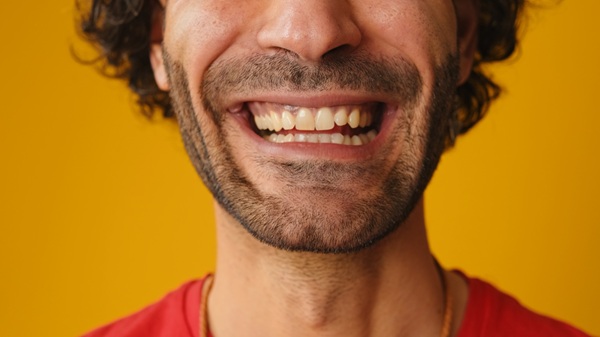
Noticing that your teeth look more yellow than they used to can be frustrating. Many people may wonder why their teeth turn yellow, even when they brush regularly.
The truth behind it is that tooth colour can change over time for a range of reasons. Some are related to lifestyle, while others are linked to natural ageing or changes within the tooth itself.
If you’re one who is also concerned about yellow teeth, let’s take a look at what causes yellow teeth, break down the different types of tooth discolouration, and share practical tips on how to prevent yellow teeth.
We will also outline when professional teeth whitening may be worth discussing with your dentist.
Why Do Teeth Turn Yellow?
If you think teeth are naturally “paper white,” it’s actually not. Each tooth has a strong outer layer called enamel, and a deeper layer underneath called dentine. Enamel is the part you see when you smile, and it looks white, but it can also be slightly see-through. Dentine, on the other hand, is naturally more yellow.
Over time, teeth can look more yellow when the enamel becomes stained from the food you eat and the habits you have, or the layer becomes thinner. When enamel wears down a little (which can happen naturally as we age), more of the yellow dentine shows through.
It also helps to know that tooth discolouration can happen in two main ways. These are called extrinsic and intrinsic stains.
Extrinsic vs Intrinsic Tooth Stains
Extrinsic Stains (Surface Stains)
Extrinsic stains affect the outer enamel surface. These are often caused by lifestyle habits and are the most common reason people notice yellowing.
Common extrinsic causes of yellow teeth include:
- Coffee and tea stains on teeth
- Red wine and dark-coloured soft drinks
- Smoking and yellow teeth are caused by nicotine and tar
- Certain foods with strong pigments, such as berries or curry
These substances can cling to enamel and gradually darken tooth colour if not removed with professional cleaning.
Intrinsic Stains (Inside The Tooth)
Intrinsic stains develop within the tooth structure. These stains are not always visible on the surface and can be more challenging to manage.
Intrinsic tooth discolouration may be linked to:
- Ageing and enamel thinning
- Trauma to a tooth
- Certain medications taken during tooth development
- Excessive fluoride exposure during childhood
Because this kind of stain usually happens in the inner portion of the tooth, intrinsic stains are one reason teeth may look yellow even after thorough brushing.
Ageing and Tooth Colour Changes
As mentioned earlier, teeth can appear more yellow as we age, which is mostly due to intrinsic changes inside the tooth, not just surface stains.
One key reason is that enamel gradually becomes thinner over time. When it thins, the layer underneath (called dentine and is naturally more yellow) shows through more. Because of that, the teeth can appear darker as the years go on.
Dentine can also change with age, where it becomes more mineralised and darker in colour. These dentine changes are part of normal ageing and can contribute to teeth looking more yellow, even without heavy staining.
How to Prevent Yellow Teeth
While not all causes of yellow teeth can be avoided, there are steps you can take to reduce staining and slow down discolouration.
Maintain a consistent oral care routine
- Brush twice daily with fluoride toothpaste
- Clean between your teeth using floss or interdental brushes
- Attend regular dental check-ups and professional cleans
Be mindful of staining habits
- Rinse your mouth with water after coffee or tea
- Use a straw for dark-coloured drinks where appropriate
- Avoid smoking or seek support to quit
Address staining early
When addressing staining, many will think of teeth whitening treatment as a solution, but professional dental cleaning may also help address staining problems as well. In fact, professional cleaning is one common oral treatment that can remove surface stains before they become more noticeable or harder to manage.
Now that we know how you can prevent yellow teeth, let’s see what teeth whitening treatments can offer to patients who are concerned about teeth stains.
Teeth Whitening Options: Dentist vs At-Home
If brushing and diet changes are not enough, professional teeth whitening may help lift stubborn surface (extrinsic) stains and brighten the overall shade of your smile. In general, there are two common options:
In-Chair Teeth Whitening
In-chair whitening is done at the clinic. A whitening gel (often containing hydrogen peroxide or carbamide peroxide) is applied to the teeth, then activated in a controlled way.
This helps break down stain compounds within the enamel. Afterwards, the teeth are rinsed, and a fluoride treatment may be used to help manage sensitivity.
Take-Home Teeth Whitening
Take-home whitening uses custom-fitted trays made for your teeth, along with a dentist-supplied whitening gel. You will be instructed to wear the trays as directed (for example, daily or on alternate days). This option works gradually and can be a good choice if you prefer a slower, more flexible approach.
Professional whitening may improve the look of many external stains, but results vary, and whitening will not be the right fit for every type of discolouration (especially when colour change is happening inside the tooth).
For best results, it’s often recommended to have a professional clean first to remove plaque and tartar, so the teeth are cleaner, and the whitening process is more even. If you’re considering whitening, it’s important to follow your dentist’s aftercare advice and keep up consistent oral hygiene to help maintain your results.
READ MORE: 7 Things You Need to Know Before Teeth Whitening | Blue Gum Dental
Yellow Teeth Are Common, But You Have Options
If you’ve been asking yourself why do teeth turn yellow, the answer is often a mix of everyday habits, natural ageing, and changes within the tooth. Understanding what causes yellow teeth can help you take practical steps to protect your smile and make informed decisions about treatment.
If you’re considering getting teeth whitening in Brentwood, WA, our friendly team at Blue Gum Dental in Brentwood can assess your teeth and discuss whether teeth whitening or other options may be suitable for you.
Book an appointment with Blue Gum Dental to discuss tooth discolouration and personalised teeth whitening options.
Frequently Asked Questions
Why do teeth turn yellow even if I brush regularly?
Teeth can still become yellow despite regular brushing because colour changes are not always caused by surface stains. Natural ageing, enamel thinning, and changes within the tooth (dentine) can all affect tooth colour over time.
What are the most common causes of yellow teeth?
Common causes of yellow teeth include coffee and tea stains, smoking, ageing, enamel thinning, and intrinsic changes inside the tooth. In some cases, medications or past tooth trauma can also contribute to discolouration.
What is the difference between extrinsic and intrinsic stains?
Extrinsic stains affect the outside surface of the teeth and are often caused by food, drinks, or smoking. Intrinsic stains develop inside the tooth and are usually linked to ageing, injury, or internal changes. Intrinsic stains are often harder to remove with brushing alone.
Can yellow teeth be prevented?
Not all causes of yellow teeth can be prevented, but good oral hygiene, regular dental cleans, limiting staining foods and drinks, and avoiding smoking can help reduce surface staining and slow discolouration.
Does professional cleaning remove yellow stains?
Professional dental cleaning can remove plaque, tartar, and many surface stains. This may noticeably improve tooth colour, especially when yellowing is caused by extrinsic stains.
Is teeth whitening suitable for all yellow teeth?
Teeth whitening can help lighten many external stains, but it may not be effective for all types of intrinsic discolouration. A dental assessment is important to determine whether whitening is suitable for your teeth.
When should I see a dentist about yellow teeth?
You should consider seeing a dentist if your teeth appear increasingly yellow, if one tooth looks darker than others, or if whitening products haven’t worked. A dentist can identify the cause and discuss appropriate treatment options.