
Adjusting to New Dentures: Tips for Eating and Speaking Comfortably
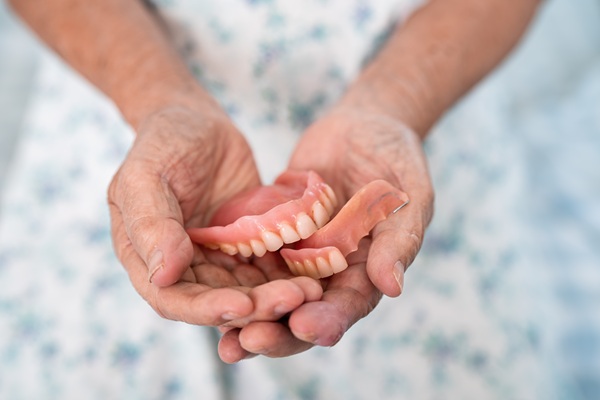
Getting a denture can be a positive step toward restoring your smile, confidence and ability to eat comfortably. However, it’s completely normal for new dentures to feel unfamiliar at first. Your mouth needs time to adjust, and everyday activities like eating and speaking may feel different during the early stages.
Understanding what to expect (and how to adapt) can make the transition smoother. With patience, practice and the right guidance, most people adjust well and regain comfort and function over time.
In this blog, we share practical new dentures tips, focusing on eating with dentures and speaking with new dentures, along with advice on caring for your dentures during the adjustment period.
What to Expect When You First Get Dentures
New dentures often feel bulky or loose initially. This doesn’t necessarily mean there’s a problem, but because your mouth, tongue and facial muscles need time to adapt to the new shape and surfaces.
Common early experiences include:
- Increased saliva flow
- Mild sore spots
- Difficulty chewing certain foods
- Changes in speech clarity
In a research study, it was noted that most denture wearers experience an adjustment period, with comfort improving gradually over several weeks.
Regular follow-up appointments allow your dentist to assess fit and make small adjustments as needed.
Eating with Dentures: Tips for Comfort and Confidence
Learning how to eat with a denture takes practice. Starting slowly and choosing the right foods can help reduce discomfort and build confidence.
Start with Soft Foods
In the early days, opt for soft, easy-to-chew foods such as:
- Yoghurt
- Mashed vegetables
- Scrambled eggs
- Soft fish
- Soups
Cut food into small pieces and chew slowly.
Chew Evenly on Both Sides
Chewing on both sides of your mouth at the same time helps keep dentures balanced and stable. This reduces tipping and improves control.
Avoid Sticky or Hard Foods Initially
Foods that are very sticky, hard or chewy can dislodge dentures during the adjustment phase. As confidence improves, many people gradually reintroduce a wider variety of foods.
According to research, controlled food choices during early denture use reduce discomfort and support adaptation.
Managing Discomfort While Eating
Some tenderness is common as your gums adapt. To minimise discomfort:
- Eat slowly
- Avoid very hot foods initially
- Rinse your mouth after meals
- Report persistent sore spots to your dentist
Never attempt to adjust dentures yourself, as this can affect fit and function.
Speaking with New Dentures: What’s Normal?
Changes in speech are common when learning to speak with new dentures. Certain sounds, such as “s”, “f” or “th”, may feel more difficult at first. This happens because your tongue and lips are adjusting to new surfaces and positions.
However, this will still improve over time as you adjust to your dentures.
In a research study, speech clarity was shown to improve significantly with practice and continued denture use.
Tips to Improve Speech with Dentures
Practice Reading Aloud
Reading out loud at home helps retrain your tongue and lips. Speaking slowly and clearly builds muscle memory.
Repeat Challenging Words
If specific sounds feel difficult, practising words that contain those sounds can help speed up adjustment.
Wear Your Dentures Consistently
Consistent wear allows your mouth to adapt more quickly. Removing dentures frequently during the adjustment period may slow progress.
If speech difficulties persist beyond the initial adjustment period, your dentist can assess whether minor adjustments are needed.
Looking After Your Dentures During the Adjustment Period
Good denture care supports comfort and oral health. Here are a few ways to help you maintain your dentures.
Daily Cleaning
Clean your dentures daily using a soft brush and products recommended by your dentist. Avoid abrasive toothpaste, which may damage the surface.
Give Your Gums a Rest
Removing dentures at night allows your gums to rest and reduces the risk of irritation.
Maintain Oral Hygiene
Even without natural teeth, cleaning your gums, tongue and palate helps prevent irritation and infection.
When to See Your Dentist
While some discomfort is expected, ongoing pain or instability should be assessed. Contact your dentist if you experience:
- Persistent sore spots
- Difficulty keeping dentures in place
- Cracking or damage
- Trouble eating after the initial adjustment period
Regular reviews ensure your dentures continue to fit comfortably as your mouth adapts.
Patience Is Part of the Process
Adjusting to a denture is a gradual process. It’s important to allow yourself time to adapt and to communicate openly with your dental team.
Patient education and follow-up care were shown to significantly improve satisfaction with new dentures. With support and realistic expectations, most people regain comfort, confidence and function.
Supportive Denture Care at Blue Gum Dental
At Blue Gum Dental, we understand that adjusting to new dentures can feel challenging. Our approach focuses on clear guidance, gentle care and personalised support throughout every stage of treatment.
If you’re new to dentures or experiencing difficulties with eating with dentures or speaking with new dentures, our friendly Brentwood team is here to help.
Schedule a consultation today, and we’ll help you with your dentures journey from start to finish.
Frequently Asked Questions
1. How long does it take to adjust to new dentures?
Most people adapt within a few weeks, although full comfort may take longer. Adjustment time varies between individuals.
2. Is it normal for dentures to feel loose at first?
Yes. New dentures can feel loose initially as your mouth adapts. Your dentist can make adjustments if needed.
3. What are the best new dentures tips for eating?
Start with soft foods, chew slowly on both sides, and cut food into small pieces to improve control.
4. Will speaking with new dentures get easier?
Yes. Speech usually improves with practice and consistent denture use.
5. Should I wear my dentures all the time?
Dentures are usually removed at night to allow the gums to rest. Follow your dentist’s specific advice.
6. Can sore spots mean my dentures don’t fit properly?
Sore spots can occur during adjustment but should be reviewed if they persist.
7. How do I clean my dentures properly?
Clean them daily with a soft brush and appropriate products recommended by your dentist.
8. When should I see my dentist after getting dentures?
Attend scheduled follow-ups and book an appointment if discomfort or functional issues continue.