
Root Canal and Dental Crowns: Why They Often Go Together
When a tooth becomes badly infected or damaged, saving it often requires more than one step. Many patients are familiar with the term root canal, but are less certain about what comes next, especially when a crown is recommended afterwards.
It’s common to hear questions such as “Why does a crown need root canal treatment?” or “Is a crown after root canal treatment really necessary?”
In modern dentistry, root canal and crown treatments frequently go hand in hand. Each plays a different role in restoring the health, strength and function of a compromised tooth. Understanding how and why they work together can help you feel more confident about your treatment plan.
To help, we’ve created this blog to explain the relationship between root canal treatment and dental crowns, when both are needed, and how they support long-term oral health.
What Is a Root Canal?
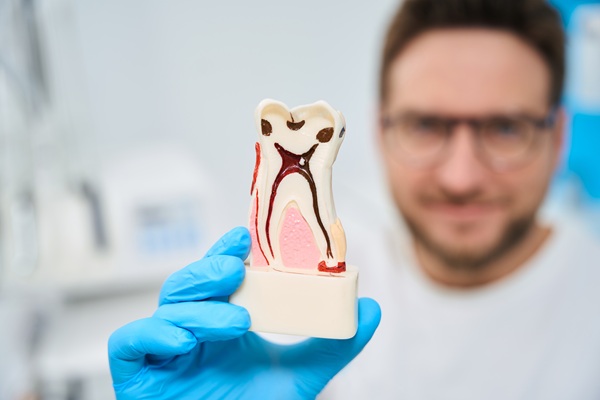
A root canal treatment is a dental procedure used to treat infection or inflammation inside a tooth. At the centre of each tooth is the pulp, which contains nerves and blood vessels. When this pulp becomes infected, often due to deep decay, cracks, or trauma, it can cause pain and lead to ongoing infection.
During a root canal procedure, the dentist:
- Removes the infected pulp
- Cleans and disinfects the inside of the tooth
- Seals the canals to prevent reinfection
The aim of a root canal is to eliminate infection and preserve the natural tooth structure rather than removing the tooth entirely.
In a research study, root canal treatment was used to address the concern, which has been shown to be an effective way to control dental infection and retain natural teeth when appropriately indicated.
What Happens to a Tooth After a Root Canal?
Once a root canal is completed, the tooth is no longer infected, but it is also no longer “alive” in the same way. Without the pulp, the tooth can become more brittle over time.
This is where additional restoration becomes important. Without adequate protection, a root canal–treated tooth may be more vulnerable to fracture, especially under chewing pressure.
What Is a Dental Crown?
A dental crown is a custom-made restoration that covers the entire visible portion of a tooth. It restores the tooth’s shape, strength and appearance, while protecting it from further damage.
Crowns are commonly made from porcelain, ceramic or other durable materials and are designed to blend naturally with surrounding teeth.
A crown may be recommended to:
- Strengthen a weakened tooth
- Restore function after significant decay or damage
- Protect a tooth following root canal treatment
Why Root Canal and Crown Often Go Together
The reason root canal and crown treatments are often combined is simple: each addresses a different problem.
- A root canal treats infection inside the tooth
- A crown protects and reinforces the outer structure of the tooth
In a research study, teeth that received crowns after root canal treatment had a significantly lower risk of fracture compared to those restored with fillings alone.
For many back teeth where biting forces are strongest, a crown is considered an important part of long-term tooth preservation after a root canal.
Does Every Root Canal Need a Crown?
Not every root canal–treated tooth requires a crown, but many do. Whether a crown needs root canal treatment (or vice versa) depends on several factors.
Your dentist will consider:
- The location of the tooth (front vs back teeth)
- The amount of remaining natural tooth structure
- The presence of cracks or large fillings
- Bite forces and grinding habits
Front teeth, which experience less chewing pressure, may sometimes be restored with a filling instead of a crown. Molars and premolars, however, are more commonly protected with crowns.
Why a Crown After Root Canal Treatment Is Often Recommended
A crown after root canal treatment provides several important benefits, including:
Strength and Protection
Root canal–treated teeth are more prone to cracking. A crown helps distribute biting forces evenly and protects the tooth from fracture.
Long-Term Stability
By sealing and covering the tooth, a crown reduces the risk of bacteria entering and causing further problems.
Restored Function
A crown allows you to chew comfortably and confidently, particularly on back teeth.
Aesthetic Improvement
Crowns are designed to match your natural teeth, helping restore appearance as well as function.
The Treatment Process: What to Expect
While each case is individual, treatment often follows these general steps:
- Assessment and Diagnosis – Your dentist evaluates the tooth using clinical examination and X-rays
- Root Canal Treatment – The infection is removed and the tooth is sealed
- Temporary Restoration – A temporary filling or crown may be placed
- Crown Preparation – The tooth is shaped to allow space for the crown
- Final Crown Placement – The custom crown is fitted and adjusted for comfort
This staged approach ensures both the internal health and external strength of the tooth are addressed.
What Happens If a Crown Is Not Placed?
Without a crown, a root canal–treated tooth may continue to function for some time, but it carries higher risks. Over time, the tooth may crack or break, sometimes beyond repair.
In a research study, delayed or absent crown placement after root canal treatment was associated with increased tooth failure rates.
Early restoration helps reduce these risks and supports long-term oral health.
Caring for a Root Canal–Treated Tooth and Crown
With proper care, a crowned tooth can last many years. To support longevity:
- Brush twice daily with fluoride toothpaste
- Clean between teeth daily
- Avoid biting hard objects
- Wear a night guard if recommended
- Attend regular dental check-ups
Routine reviews allow your dentist to monitor both the crown and the surrounding gum health.
Supporting Your Smile at Blue Gum Dental
At Blue Gum Dental, we believe in preserving natural teeth whenever possible. Our approach to root canal and crown treatment focuses on careful diagnosis, clear communication and personalised care.
If you’ve been advised to have a root canal or are unsure whether you need a crown after root canal treatment, our friendly Brentwood team is here to guide you through your options.
Schedule a consultation today to receive tailored advice on your root canal and dental crown journey.
Frequently Asked Questions
1. Why is a crown often needed after a root canal?
A crown protects the tooth from cracking and restores strength after the internal structure has been treated.
2. Can a crown need root canal treatment later?
Yes. If decay or infection develops under a crown, root canal treatment may still be required.
3. Is it painful to get a crown after a root canal?
The procedure is usually comfortable and performed under local anaesthetic. Most patients tolerate it well.
4. How long should I wait to get a crown after root canal treatment?
Dentists often recommend placing a crown as soon as practical to reduce the risk of fracture.
5. Can I chew normally with a crown after root canal treatment?
Yes. Once fitted properly, a crown restores normal chewing function.
6. How long does a crown after root canal treatment last?
With good oral hygiene and regular dental care, crowns can last many years.
7. Are there alternatives to crowns after root canal treatment?
In some cases, fillings may be used, particularly for front teeth. Suitability depends on individual circumstances.
8. What happens if a root canal–treated tooth breaks?
If the tooth fractures, further treatment may be needed. Early crown placement helps reduce this risk.