
Dry Mouth Prevention and Its Importance in Oral Health
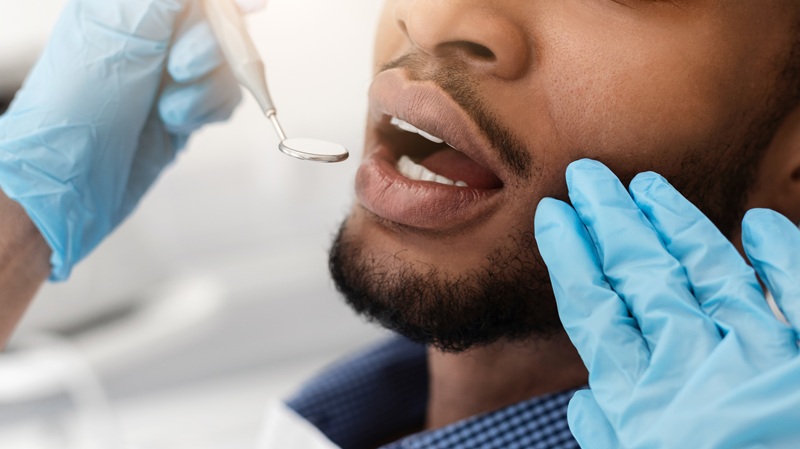
Saliva may not be something we think about often, but it plays a very important role in keeping our mouth healthy. When the mouth does not produce enough saliva, it can lead to a condition commonly known as dry mouth (or xerostomia). While it may sound minor, having dry mouth can actually increase your risk of tooth decay, gum disease, and discomfort when eating or speaking.
How does that happen?
Let’s explore the causes of dry mouth, the symptoms of dry mouth, why it matters for overall oral health, and practical ways to prevent dry mouth as part of good preventive dental services.
Why Saliva Matters in Oral Health
Do we really know the purpose of saliva? Saliva actually does more than just keep the mouth moist. It helps wash away food particles, neutralise acids from bacteria, and protect teeth from decay. Saliva also makes it easier to chew, swallow, and even taste food.
Dry mouth may seem like a small issue, but it can have a big impact on oral health if ignored. Without enough saliva, harmful bacteria are more likely to grow, leading to cavities, gum infections, and even tooth loss over time.
Preventing dry mouth is also important for daily comfort. It can make speaking, tasting, and enjoying food easier. Many people don’t realise that addressing dry mouth is part of good preventive dental services, which focus on stopping problems before they become serious.
Causes of Dry Mouth
Dry mouth can be caused by many different factors. Some of the most common include:
- Medications – Many prescription and over-the-counter medicines list dry mouth as a side effect, especially those for high blood pressure, allergies, and depression.
- Medical conditions – Diabetes, autoimmune disorders (like Sjögren’s syndrome), and certain infections can reduce saliva production.
- Cancer treatments – Radiation to the head or neck may damage the salivary glands, as well, leading to dry mouth.
- Ageing – Because of the medications older adults take, it may naturally produce less saliva in the mouth, making it another cause for dry mouth.
- Lifestyle habits – Smoking, alcohol, or drinking too much caffeine can dry out the mouth as well.
Being able to understand the causes of dry mouth is the first step toward managing it effectively.
Symptoms of Dry Mouth
The symptoms of dry mouth can vary from mild discomfort to serious oral health problems. Some signs to watch out for include:
- A sticky or dry feeling in the mouth
- Frequent thirst
- Difficulty chewing, swallowing, or speaking
- A burning feeling on the tongue
- Cracked lips or mouth sores
- Bad breath
- A higher risk of cavities or gum problems
If you notice these symptoms often, it’s a good idea to speak with your dentist so they can check for underlying causes.
Ways to Prevent Dry Mouth
The best way to deal with dry mouth depends on what is causing it. Still, there are many simple habits you can add to your daily routine to keep your mouth more comfortable and healthier. Here are some tips to prevent dry mouth from happening.
Stay Hydrated
Water is your best friend when it comes to preventing dry mouth. Take small sips often instead of drinking large amounts all at once. Carrying a water bottle can remind you to stay hydrated. Try to choose plain water instead of sweetened drinks, as sugar can increase the risk of tooth decay.
Avoid Mouth-Drying Habits
Some things make the mouth drier than it needs to be. Caffeine, alcohol, and tobacco are common triggers. Cutting back on coffee, soft drinks, and alcohol, and avoiding smoking, can make a big difference. Even switching to decaf or limiting alcohol to special occasions can help reduce dryness.
Chew Sugar-Free Gum
Chewing stimulates the salivary glands to produce more saliva. Sugar-free gums, especially those containing xylitol, are a good choice because they not only increase moisture but also help protect against cavities. This can be a simple habit after meals or whenever your mouth feels dry.
Use a Humidifier at Night
If your mouth feels dry when you wake up, the air in your bedroom may be too dry, especially if you breathe through your mouth while sleeping. A small bedside humidifier adds moisture to the air, making your mouth feel more comfortable in the morning.
Choose Saliva-Friendly Foods
What you eat also plays a role. Crunchy fruits and vegetables like apples, carrots, and celery naturally stimulate saliva flow. At the same time, avoid foods that make dryness worse, such as very salty snacks, heavily spiced meals, or sticky sweets that can cling to your teeth.
Oral Care Products
Special mouth rinses, gels, and sprays are available to keep the mouth moist. These are often alcohol-free and designed for sensitive mouths. Your dentist can recommend products that fit your needs. Some people also find relief from using toothpaste made for dry mouth.
Regular Dental Check-Ups
Dry mouth increases the risk of tooth decay and gum problems, so seeing your dentist regularly is especially important. As part of preventive dental services, your dentist can:
- Check if medications or health conditions may be causing dryness.
- Suggest fluoride treatments to protect your teeth.
- Monitor any changes in your saliva flow or oral health.
Protecting Your Smile Against Dry Mouth
Dry mouth may seem like a minor problem, but it can lead to serious dental issues when left untreated. Recognising the symptoms of dry mouth, understanding the causes of dry mouth, and adopting practical habits are all key steps in protecting your smile.
By working with your dentist and making use of preventive dental services, you can find effective ways to prevent dry mouth and maintain healthier teeth and gums.
If you want to be on top of your dental health and seek preventive dental services in Brentwood, WA, Blue Gum Dental is here to offer quality care and guidance to address your concerns.
Book a consultation for more details.